Keeping Pipes from Freezing for Colorado Homes
Cold Weather, Costly Mistakes: Why Frozen Pipes Are a Big Deal in Colorado
When winter sweeps across Colorado’s Front Range, homeowners in Longmont, Boulder, and the Denver area face a familiar risk — frozen pipes. Sub-zero nights, powerful winds, and large day-to-night temperature swings make plumbing systems especially vulnerable.
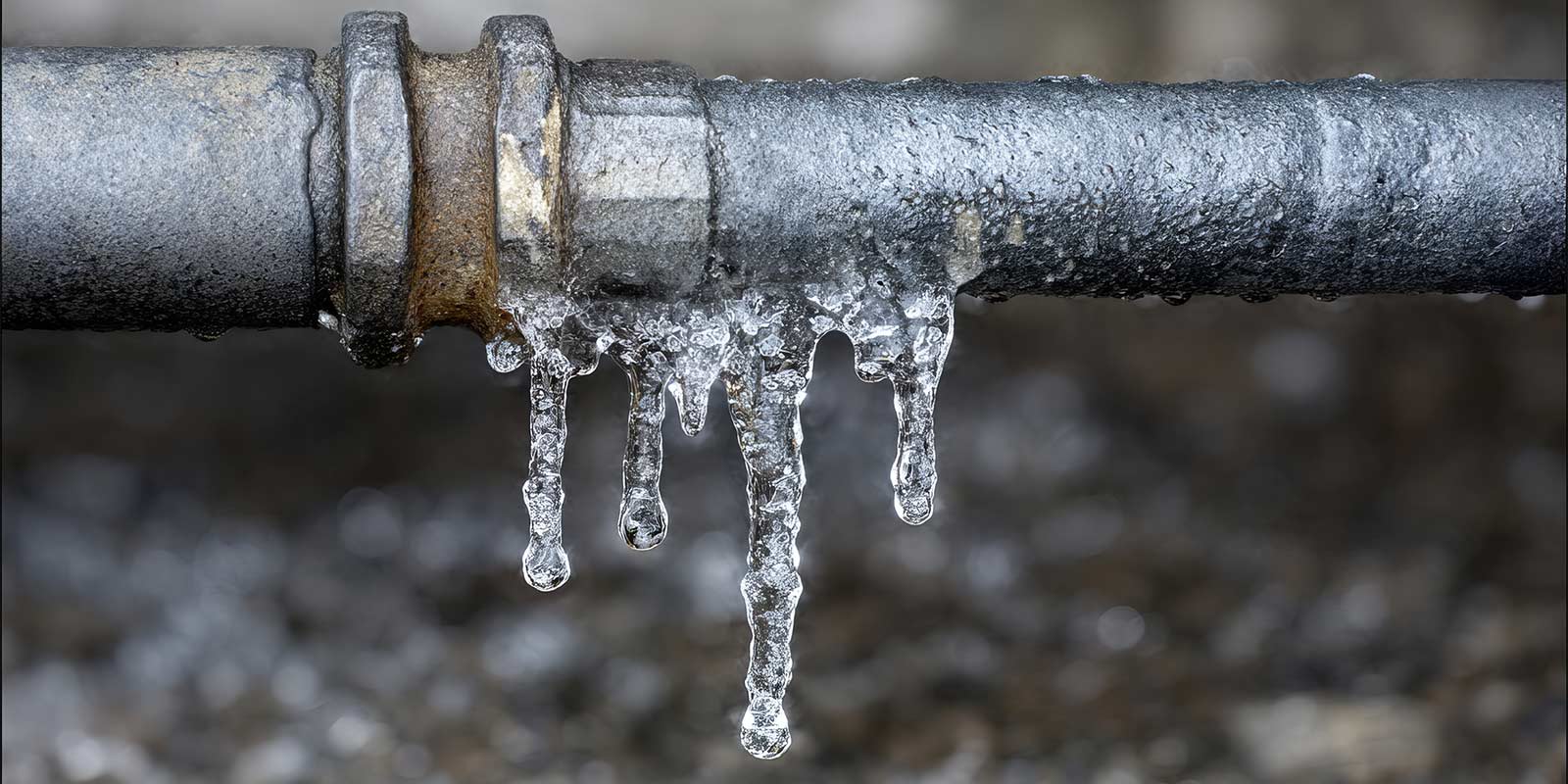
When water inside a pipe freezes, it expands, creating intense pressure that can burst copper or PEX lines. Even a tiny crack can leak hundreds of gallons of water per day, flooding basements and damaging walls, insulation, and flooring.
The good news? Keeping pipes from freezing isn’t complicated. It’s about knowing where your plumbing is most exposed and preparing before the deep freeze hits.
How Freezing Damages Your Plumbing
Pipes in unheated or poorly insulated areas—like crawl spaces, basements, attics, and garages—face the greatest danger. Freezing often begins as a subtle trickle at a faucet or a small frost patch on an exposed line. Once ice blocks the pipe completely, pressure quickly builds behind it, bursting joints or fittings.
The key to preventing expensive repairs is simple: stop ice from forming in the first place.
Expert Tips for Keeping Pipes from Freezing
1. Insulate Exposed Pipes
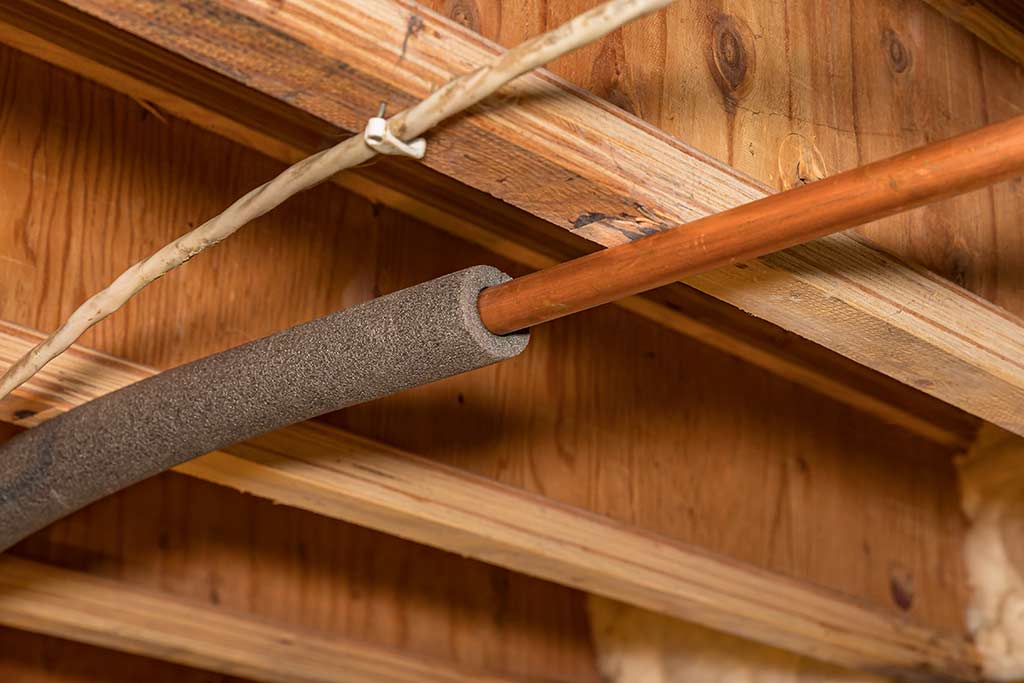
Add foam sleeves or fiberglass insulation around pipes in crawl spaces, basements, and along exterior walls. For high-risk areas, install UL-listed heat tape or electric heat cables for extra protection.
Professional pipe insulation can make the difference between a safe winter and a burst-pipe emergency. Ask Blue Valley for pipe insulation tips specific to Colorado’s cold-weather climate.
2. Maintain Consistent Indoor Heat
Keep your thermostat steady, ideally no lower than 55°F, even if you’re away. Consistent warmth prevents cold air from settling inside walls and cabinets.
Our Longmont heating team recommends scheduling a pre-winter furnace tune-up, since a properly maintained HVAC system not only ensures comfort but also protects your plumbing from freezing.
3. Keep Water Flowing
During severe cold snaps—especially when overnight lows hit the teens or below—let faucets drip slightly. Moving water is far less likely to freeze, and the steady trickle relieves pressure if ice begins to form inside the pipe.
4. Seal Leaks and Drafts
Cold air enters through foundation cracks, attic vents, and gaps near plumbing penetrations. Use caulk, spray foam, or insulation wrap to seal openings around pipes. This small step can raise nearby temperatures several degrees—often enough to prevent freezing altogether.
5. Disconnect and Drain Outdoor Plumbing
Before the first freeze, detach garden hoses, shut off outdoor spigots, and drain sprinkler lines.
If you have an underground irrigation system, schedule professional winterization to remove trapped water. Frozen sprinkler pipes can burst underground and leak unnoticed until spring.
6. Install Preventive Technology
For the ultimate protection, consider smart leak sensors or temperature monitors that alert you if pipes approach freezing.
Blue Valley also installs frost-proof faucets and automatic pipe heating systems that activate when temperatures drop below a set threshold. These upgrades offer reliable, hands-off prevention—perfect for frequent travelers or rental properties.
Quick Checklist:
Winter Plumbing Prep
☐ Insulate exposed and exterior pipes
☐ Drain outdoor faucets and sprinkler systems
☐ Seal wall and foundation cracks
☐ Maintain at least 55°F indoors
☐ Open cabinet doors under sinks
☐ Schedule a plumbing inspection before the first freeze
These simple steps can drastically reduce your risk of pipe damage when temperatures plummet.
Did You Know?
What to Do If Your Pipes Freeze
Even with preparation, Colorado’s brutal cold can catch anyone off guard. If you notice weak water flow or no water from a faucet:
- Shut off the main water supply immediately.
- Open nearby faucets to relieve pressure.
- Warm the pipe gradually using a hair dryer, heating pad, or portable heater—never use an open flame.
- Call a licensed plumber if the pipe is inaccessible or if you suspect it’s already burst.
Professional frozen pipe leak repair in Longmont ensures all damage is identified and repaired safely before major flooding occurs.
Colorado’s Unique Plumbing Challenge
Homes along the Front Range face some of the most unpredictable winter weather in the country. A mild afternoon can drop to zero degrees by sunrise—a swing that puts enormous stress on plumbing systems.
Many local homes also have unfinished basements, crawl spaces, and exterior wall plumbing runs, which makes them especially prone to freezing.
With decades of experience in Boulder County and Northern Colorado, Blue Valley Heating, Cooling & Plumbing knows where local homes are most vulnerable—and how to protect them with insulation, heating, and proactive maintenance.
FAQ: Keeping Pipes from Freezing in Colorado
Keep Warm, Stay Safe, and Call Your Local Experts
A few preventive steps today can save thousands in water damage tomorrow. Blue Valley Heating, Cooling & Plumbing is proud to help homeowners across Longmont, Boulder, and the Denver metro area stay safe and comfortable all winter long. We offer emergency plumbing repair, including leak or burst pipe repairs.
Schedule your winter plumbing inspection today and let our experts ensure your pipes—and your peace of mind—stay protected all season.
Contact Blue Valley Heating & Cooling or call us (720) 204-8139 to schedule your appointment before the first freeze.