HVAC Systems for Energy Efficiency: 9 Highline Options Ranked
Choosing the right heating and cooling system has become less about brand loyalty and more about the long-term cost of ownership. Homeowners today are paying closer attention to efficiency ratings, system design, and how modern equipment actually performs in real homes—not just on paper. That shift is why searching for the best HVAC systems for energy efficiency is now one of the most common steps in upgrading residential comfort. It isn’t just about saving a few dollars; it’s about creating a living environment that feels better to live in.
Energy-efficient systems don’t just reduce monthly utility bills. They also provide steadier indoor temperatures, quieter operation, and significantly better humidity control. When properly sized and installed by the team at Blue Valley Heating & Cooling, these systems can dramatically reduce energy waste while improving your day-to-day comfort. The days of accepting hot spots in summer or drafty rooms in winter are over when you select the right technology.
1. Variable-Speed Heat Pumps
Variable-speed heat pumps are a game-changer because they adjust their output in small increments instead of just running at full blast or shutting off completely. Think of it like a car using cruise control on the highway versus stop-and-go city driving. This allows the system to maintain consistent temperatures with far less energy use. Because they run for longer cycles at lower speeds, they are also superior at removing humidity from the air. Among modern HVAC systems for energy efficiency, this option consistently ranks near the top for overall savings and comfort.
2. Ductless Mini-Split Systems
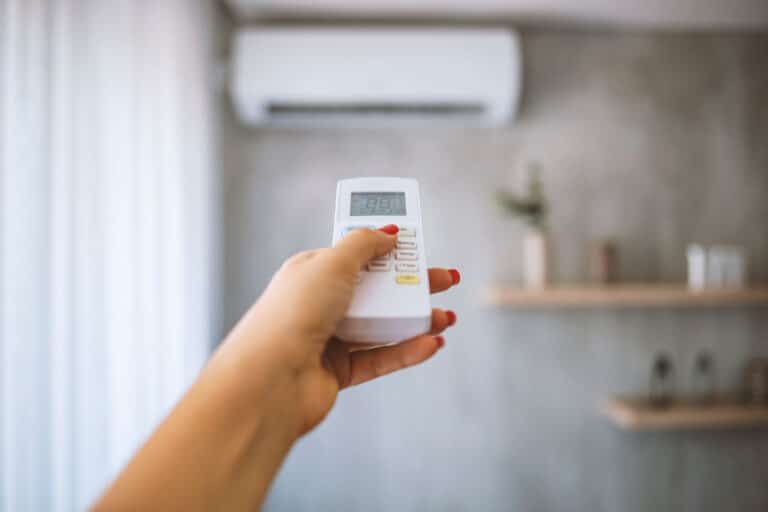
Mini-splits eliminate duct losses entirely, making them ideal for older homes, additions, or room-by-room zoning. Traditional ductwork can lose up to 30% of energy through leaks or poor insulation, but ductless units deliver air directly into the living space. These systems are often overlooked, but they perform exceptionally well when ductwork is limited or inefficient. You can learn more about the specific benefits of ductless mini-split systems to see if they fit your home’s layout.
3. High-SEER Central Air Conditioners
Central AC systems with SEER ratings of 18 or higher provide strong cooling with significantly reduced power consumption. These units often use two-stage compressors to handle mild days differently than scorching heat waves. When paired with a compatible furnace or air handler, they form a dependable setup for whole-home comfort. If your current unit is aging, a professional AC installation of a high-efficiency model can make a noticeable difference in your summer utility bills.
4. Geothermal HVAC Systems
Geothermal systems use stable underground temperatures to heat and cool homes efficiently. Regardless of how freezing or blistering the air is outside, the ground a few feet down stays at a constant moderate temperature. Geothermal units tap into this resource. While the installation costs are higher upfront due to the ground loops required, the long-term energy reduction is unmatched. For homeowners looking for the ultimate sustainable solution, geothermal heat pumps offer incredible efficiency and lifespan compared to traditional air-source units.
5. Dual-Fuel Hybrid Systems
These systems combine an electric heat pump with a gas furnace, automatically switching between them based on outdoor conditions to use the most efficient fuel source. The heat pump handles the mild fall and spring weather efficiently, while the furnace kicks in only during the deepest freeze when gas heat is more economical. Hybrid setups are among the smartest HVAC systems for energy efficiency for regions with fluctuating seasonal temperatures, giving you the best of both worlds.
6. ENERGY STAR® Certified Furnaces
High-efficiency furnaces with AFUE ratings above 95% waste very little fuel compared to older models which might only be 80% efficient. This means 95 cents of every dollar you spend on gas goes directly into heating your home. When part of a matched system, they significantly improve overall performance during colder months. You can check the Department of Energy for more details on how AFUE ratings impact your heating costs.
7. Smart HVAC Systems with Zoning
Zoned systems use dampers and smart thermostats to heat or cool only the areas you are actually using. If you spend all day in the living room, there is no need to keep the guest bedrooms freezing cold. This targeted approach helps HVAC systems for energy efficiency reduce unnecessary runtime, ensuring you aren’t paying to cool empty rooms. This level of control not only saves money but also ends the “thermostat wars” between family members who prefer different temperatures.
8. Inverter-Based HVAC Systems
Inverter technology allows compressors to ramp up and down smoothly rather than spiking on start-up. This reduces electrical strain and mechanical wear, making inverter-driven units both economical and durable over the long haul. Furthermore, because they rarely run at 100% capacity, these systems are often whisper-quiet, making your outdoor patio or backyard much more peaceful compared to the roar of a standard condenser.
9. Packaged High-Efficiency Units
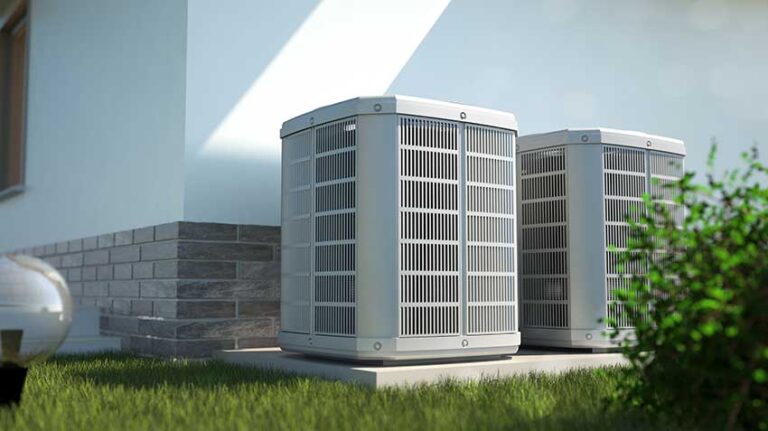
Often used in smaller homes, crawl spaces, or light commercial spaces where indoor space is tight, packaged units combine heating and cooling components into one outdoor cabinet. While they used to be considered less efficient, modern engineering has closed the gap. Modern versions still qualify as effective HVAC systems for energy efficiency and are a great solution when space is limited, freeing up valuable square footage inside your home.
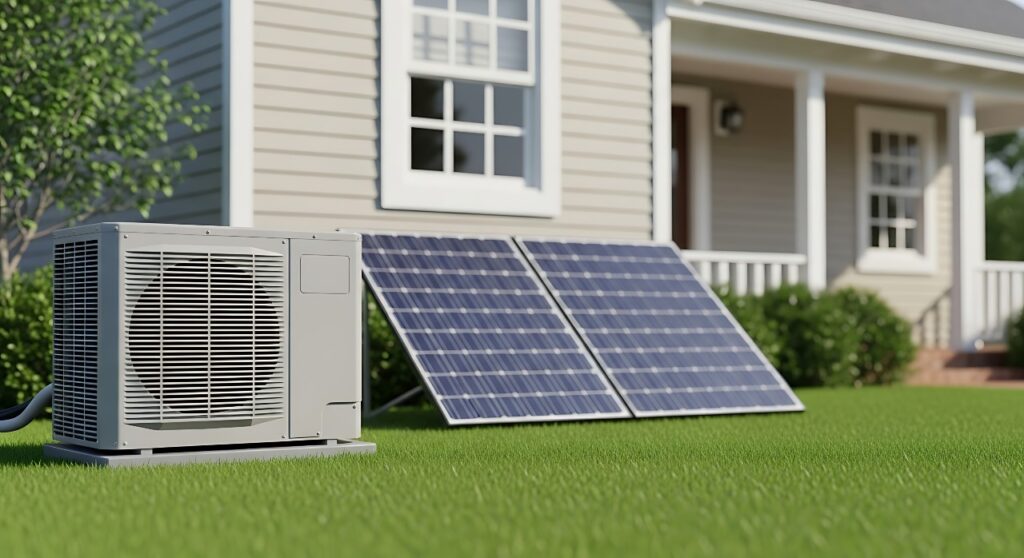
No single solution fits every home perfectly. Climate, insulation quality, duct design, and your personal usage habits all affect the results. The best HVAC systems for energy efficiency are the ones that are properly sized and installed for your specific needs. An oversized unit will short-cycle and waste energy, while an undersized one will run constantly and fail to keep you cool. Investing in the right system today leads to lower energy bills, fewer repairs, and longer equipment life tomorrow.
At Blue Valley Heating & Cooling, we believe that when homeowners focus on performance rather than just labels, they get exactly what they expect—measurable savings and reliable comfort. We take the time to calculate the load requirements of your home so you get a system that fits like a glove.
FAQs
What makes HVAC systems for energy efficiency different from standard systems? These systems use advanced compressors, variable-speed motors, and smarter controls to reduce wasted energy. They operate longer at lower power levels instead of constantly cycling on and off. This longer run time improves comfort, eliminates hot spots, and lowers costs.
Are energy-efficient systems worth the higher upfront cost? Yes. While the initial pricing may be higher, high-efficiency systems typically pay for themselves over time through reduced utility bills, fewer repairs, and a longer service life. Additionally, many of these systems qualify for federal tax credits or local utility rebates which can offset the initial investment.
Do these systems require special maintenance? The maintenance is similar to standard systems, but consistency is key. Because the components are more advanced, keeping coils clean and filters fresh is vital. Regular tune-ups ensure your HVAC systems for energy efficiency continue operating at peak performance rather than slowly losing efficiency over time.
Can older homes benefit from high-efficiency HVAC upgrades? Absolutely. In fact, older homes often see the biggest improvements. With proper sizing and installation, modern systems can significantly improve comfort and energy use even in homes that may have limited insulation or outdated ductwork. Sometimes, switching to a ductless option can bypass the inefficiencies of an older home entirely.