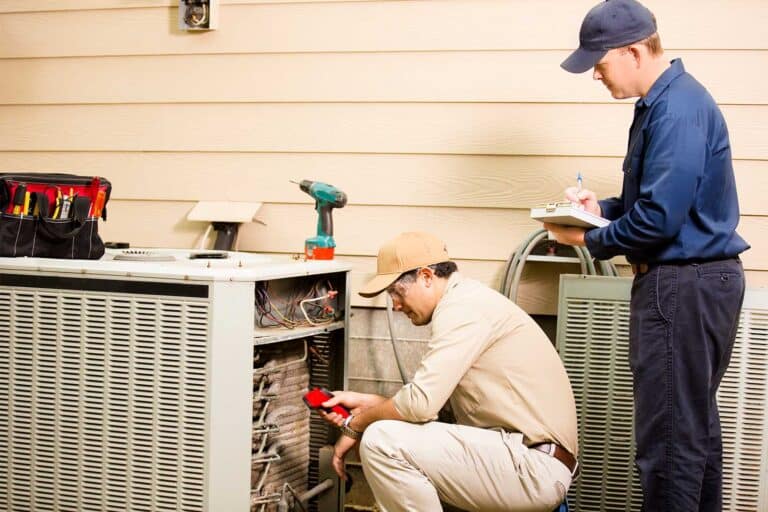

Your AC Installation Guide for Choosing the Right Unit and Setup
Nobody gets excited about replacing their air conditioner. You do it because you have to, usually at the worst possible time, and then you spend the next decade living with whatever decision you made under pressure. That is the part worth slowing down for.
This ac installation guide is not about brands or equipment comparisons. It is about the decisions underneath those decisions — sizing, duct condition, who actually does the work — the things that determine whether a new system performs the way you paid for it to. A contractor with an average product and real attention to detail will beat a sloppy installation of premium equipment almost every time. That is not an exaggeration. It is just how this works.
Why an AC Installation Guide Matters Before You Buy
The timing is always bad. The system breaks in July, the house is miserable, and now you are trying to evaluate three contractors you found online with zero background on what separates a good proposal from a bad one. Urgency and ignorance together are expensive. That is not a criticism — it is just the situation, and it is exactly the situation an ac installation guide is meant to prevent.
Reading an ac installation guide before that moment is the obvious fix, and most homeowners skip it. Houses vary more than people realize — ceiling height, insulation, window exposure, duct age, layout — and a system that works well in one can genuinely underperform in a house that looks almost identical. The salesperson probably will not bring that up. The load calculation will, if one gets done.
There is also the terminology problem. Variable speed, dual-stage, SEER2, smart zoning — contractors use these terms in consultations and they move fast. You do not need to be an expert. You need enough context to know when a point is relevant to your house specifically and when it is just selling.
Knowing When It Is Time for a New System
Sometimes a repair is still the right answer. A system that is eight years old, reasonably maintained, and needs a part replaced is probably not a replacement candidate. Part of what a good ac installation guide does is give you permission to push back on replacement when it is not actually warranted — because not every contractor is going to do that for you.
Past 12 or 15 years, the math tends to shift. Older equipment runs longer to achieve the same result, and the efficiency gap between what you have and what is available now costs money every month. It does not show up dramatically. It accumulates quietly, and most homeowners only notice it in retrospect when they see their bills drop after a new system goes in.
Watch the pattern. Rooms that have always run warm, humidity that lingers, runtimes that seem longer than they used to be, noises that are new. One of these things might mean nothing. Several of them together usually means something.
Choosing the Right Type of Air Conditioning System
Central air is the default, and for most homes it is the right one. Existing ductwork, outdoor condenser, indoor coil — the setup most houses were built around. When the ducts are in decent shape, a properly installed central air conditioning system handles whole-home cooling reliably and without much complication. Any ac installation guide covering system types starts here because most readers will end up here.
Mini-splits fill a specific gap. Homes that were never ducted, additions built outside the original layout, garages or finished basements that have always been uncomfortable — those are the situations they were designed for. Zone-by-zone control genuinely improves comfort in the right application, and any ac installation guide being honest with you will say upfront that the cost is higher. Whether it is justified is a question about the specific space, not a general answer.
Heat pumps are their own category and worth understanding separately. One system for heating and cooling, better efficiency in moderate climates, real limitations in places with hard winters. The performance gap between heat pump models in cold weather is significant and not always obvious from spec sheets. If you are considering one in a cold climate, ask a contractor who installs them regularly there, not one who sells them everywhere.
Why Proper Sizing Is One of the Most Important Steps
Bigger is not safer. It just feels that way, which is why oversizing keeps happening and why every ac installation guide has to address it.
An oversized unit cools the air quickly and shuts off before it has pulled the humidity out. The thermostat reads fine; the house still feels heavy. On-off cycling also puts more wear on the system than steady operation does, and that wear tends to show up as repair calls two or three years in. Too small and the system runs constantly on peak days, still cannot keep up, and costs more to operate while delivering less. Neither is what you paid for.
A Manual J load calculation (the official, industry-standard method used to determine the precise heating and cooling requirements of a residential building) is how sizing gets done correctly — an actual assessment of the house, not a guess anchored to the old unit’s tonnage or a square footage formula that ignores everything else. Before you agree to any proposal, ask how the sizing recommendation was reached. A contractor who can explain it clearly is a different contractor than one who cannot.
Understanding Efficiency Ratings Without the Confusion
SEER2 (Seasonal Energy Efficiency Ratio 2) is the current standard. Higher numbers mean better efficiency under test conditions. Lower monthly energy costs over time, generally. That part is simple enough.
What gets people in trouble is assuming the highest available rating is always the right buy. Whether that premium makes sense depends on how long you plan to stay in the home, how hard the system will actually run in your climate, and what the price difference looks like between tiers in your specific market. In some situations the high-efficiency unit pays back in a few years. In others you would have been better off with a mid-range system at a lower price. An ac installation guide worth reading treats this as a real financial question rather than defaulting to “buy the best you can afford.”
There is also the delivery problem. SEER2 is a lab number. It assumes correct airflow, sealed ductwork, proper refrigerant charge. An installation that gets those things wrong can leave a premium unit performing no better than something two efficiency tiers lower. You paid for the rating. You did not get it. The difference between that outcome and a good one is installation quality — which is the same point this whole guide keeps coming back to. Homeowners comparing efficiency standards can also review the U.S. Department of Energy’s air conditioning guidance for a broader overview of how system performance is measured.

Looking at Ductwork, Airflow, and Vent Placement
Here is something that does not come up enough: the duct system is often more responsible for how a house feels than the equipment connected to it. A thorough ac installation guide will say that plainly. Most sales conversations will not.
The symptoms of bad ductwork are familiar — rooms that run warm regardless of what the thermostat does, frozen coils, a blower that sounds like it is working too hard, humidity that stays elevated. These things get blamed on the equipment. Often they trace back to leaking joints, undersized sections, or inadequate return air that nobody addressed because nobody looked.
Duct condition should be assessed before installation, not assumed fine because the old system ran on it. Sealing, resizing, adding return air capacity — this work is not unusual in older homes, it is not especially complicated, and skipping it to protect the quote price is a decision that tends to reappear later as service calls and comfort complaints.
Features That Can Improve Comfort and Control
Single-stage systems are on or they are off. Full capacity every time. For a lot of homes that is perfectly adequate, and if budget is the primary constraint it is often the sensible choice. Two-stage equipment runs at a reduced level most of the time and steps up when the load requires it — better humidity control, steadier temperatures, less of the on-off rhythm that some people find noticeable.
Variable-speed systems modulate continuously. The day-to-day comfort difference is real: less temperature swing, quieter operation, better moisture management on humid days. The price difference is also real. A grounded ac installation guide does not push toward the expensive option. It explains what you get for the money and lets you decide whether that matters in your home and your climate.
Thermostats are worth taking seriously. Compatibility with the equipment is not automatic, configuration matters, and a thermostat that is set up incorrectly is a source of performance problems that can go undiagnosed for a surprisingly long time. Good installers confirm this at startup. Worth asking whether that is part of the process before you hire someone.
What to Expect During the Installation Process
The core is consistent: old system out, new system in, connected, started, tested. What varies is everything around it — duct modifications, pad work, drain changes, thermostat rewiring. These can be legitimate parts of a thorough job or costs that materialized after you signed. An ac installation guide helps you know the difference before you are in the middle of the conversation.
Good crews are communicative. They protect floors, work in an order that makes sense, and tell you what is happening rather than leaving you to wonder. After startup, they should verify airflow at the registers, confirm the temperature split across the coil, check drainage, and confirm the thermostat is configured correctly. Not finishing touches. Basic confirmation that the system is working.
Get a walkthrough before anyone leaves. Filter size and schedule. Location of the shutoff. What normal operation sounds and feels like, and what should prompt a call. Warranty registration. All documentation. This is the part of the ac installation guide most people actually need on day one and never got. If the crew skips this without being asked, ask.
Questions to Ask Before Hiring a Contractor
Was a load calculation performed, and can you see the results? Who specifically is doing the work on installation day? Does the price include haul-away, thermostat changes, pad replacement, and drain line work — or are those separate? Are permits required, and if so, who pulls them?
That is what an ac installation guide actually gives you at this stage: the questions, and enough background to evaluate the answers. A contractor who moves through those clearly and specifically is different from one who deflects or stays vague. The difference matters.
Do not compare prices across proposals that do not cover the same scope. A lower number on an incomplete proposal is not a deal. It is the beginning of a conversation about costs you did not know were coming. If budget is part of the decision, reviewing financing options for HVAC projects before you sign can help you compare proposals more realistically.
How to Protect Your New System After Installation
Filters on a schedule, not when you happen to remember. Outdoor unit kept clear. Annual maintenance from someone who will actually inspect it, not just take the check. An ac installation guide that ends at the installation itself is leaving out the part that protects the investment — the habits that separate a system that runs well for fifteen years from one that needs significant work at ten.
The first few weeks are worth paying attention to. Uneven cooling, runtime that seems long for the outdoor temperature, anything that sounds different than it did at startup — these are worth reporting while the installation is fresh and the contractor is easy to reach. Early problems are almost always cheaper to fix than the same problems found at the start of the following cooling season. Scheduling air conditioning maintenance early also gives the system a better chance to stay efficient after the initial install.
One point this whole ac installation guide keeps returning to, because it is the one most often missed: brand does not determine outcome. Installation does. The right size, done correctly, in a house where the ductwork actually supports it — that is the combination that works. Most homeowners learn this the wrong way. You do not have to.
For homeowners weighing installation against repair, it also helps to review what air conditioning repair actually covers before assuming replacement is the only path. And because climate affects HVAC decisions in Colorado more than many people expect, this local piece on preparing home systems for Colorado cold is a useful reminder that equipment choice and installation quality always have to be matched to local conditions.