2026 Colorado HVAC Regulations: A Longmont Homeowner’s Guide to the New Heating & Cooling Standards
What Changed in 2026?
As of January 1, 2026, new HVAC regulations are officially in effect across Colorado—and for homeowners along the Front Range, including Longmont, these changes directly impact how heating and cooling systems are installed, replaced, and upgraded.
Colorado’s updated standards are designed to address the region’s long-standing air quality challenges, particularly those tied to ozone pollution. If you are planning to replace a furnace, air conditioner, or heat pump in the coming years, understanding the 2026 Colorado HVAC regulations is essential to avoid delays, unexpected costs, or non-compliant equipment.
At Blue Valley Heating, Cooling, and Plumbing, we believe informed homeowners make better decisions. Below is a clear breakdown of what changed, why it matters, and how these regulations affect your comfort, budget, and upgrade options.
A Quick Overview:
Ultra-Low NOx Furnace Standards
All newly installed gas furnaces and gas water heaters in Colorado must now meet Ultra-Low NOx (ULN) emission requirements under House Bill 23-1161. These standards apply to new installations and replacements, not to existing systems already in operation.
New Refrigerant Requirements
R-410A refrigerant is no longer allowed in newly installed residential air conditioners and heat pumps. New systems must use A2L refrigerants, which have significantly lower global warming potential.
Expanded Rebates and Incentives
Colorado’s Home Electrification & Appliance Rebate (HEAR) Program and local utility rebates, such as Efficiency Works for Longmont residents, are now available to help offset the cost of compliant upgrades.
1. Ultra-Low NOx Furnace Requirement (Now in Effect)
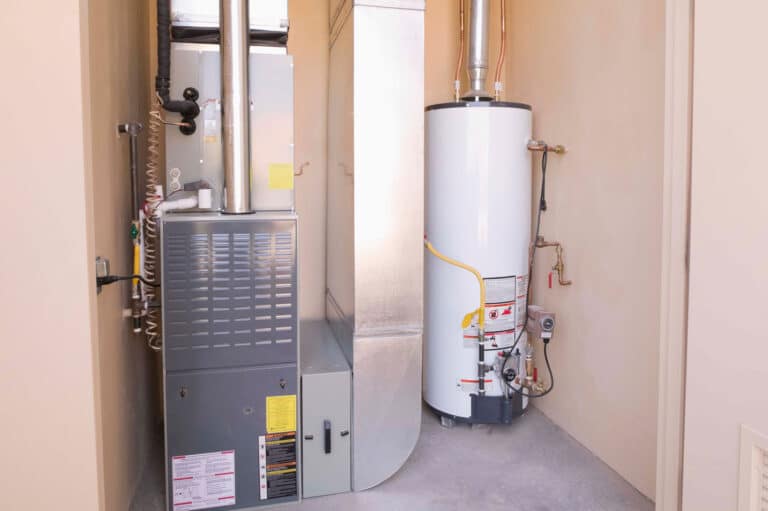
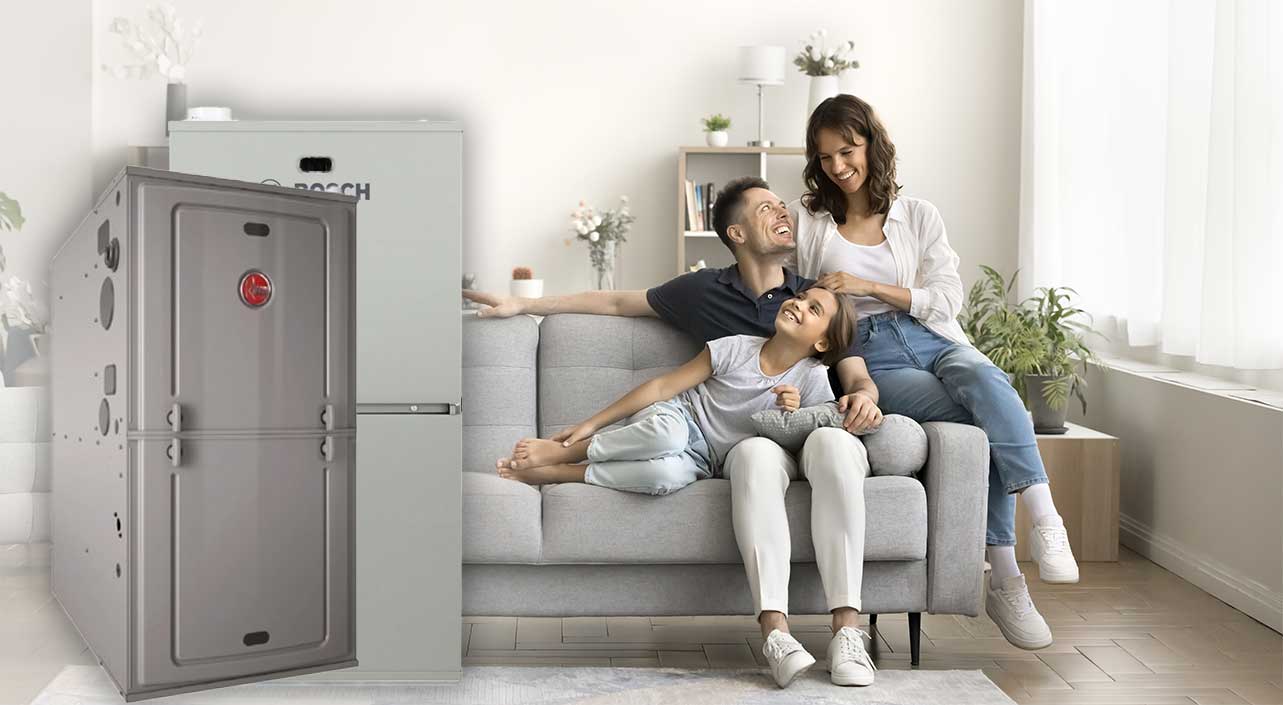
Under Colorado House Bill 23-1161, standard natural gas furnaces no longer meet state emissions standards for new installations. As of January 1, 2026, all newly installed gas furnaces must be Ultra-Low NOx models.
What Does “Low NOx” Mean?
NOx (nitrogen oxides) are gases created during combustion. In Colorado’s high-altitude environment, NOx reacts with sunlight to form ground-level ozone, a major contributor to smog and respiratory issues.
Technology comparison:
What This Means for Homeowners
Ultra-Low NOx furnaces improve regional air quality, but the advanced technology comes with tradeoffs:
You can review the official regulation here:
Colorado House Bill 23-1161
Colorado Revised Statutes § 25-7-1504
2. A2L Refrigerants: The New Standard for AC and Heat Pumps
Another major shift in the 2026 Colorado HVAC regulations involves refrigerants.
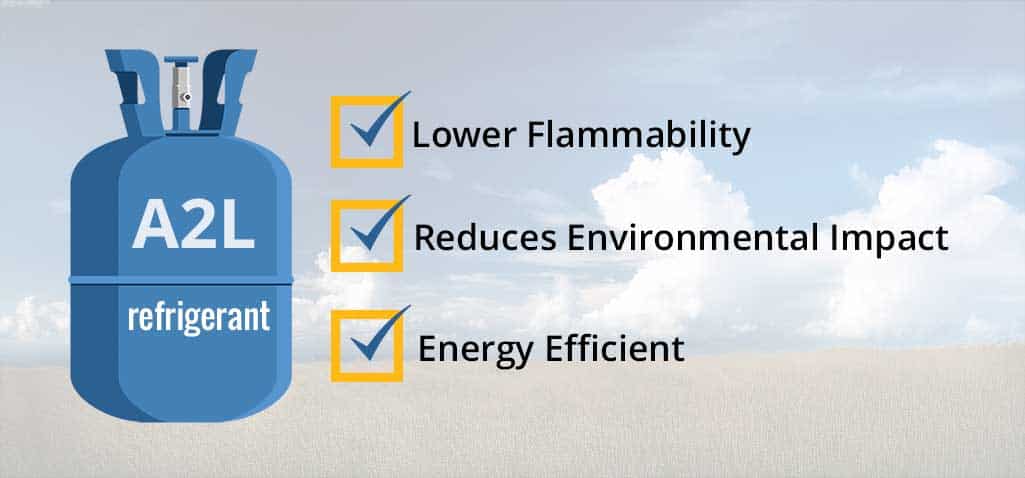
As of January 1, 2026, all newly installed residential cooling systems must use A2L refrigerants instead of R-410A.
Why the Change Matters
A2L refrigerants reduce global warming potential by nearly 80 percent compared to R-410A. This significantly lowers the environmental impact of residential cooling.
Built-In Safety Features
Although A2L refrigerants are classified as mildly flammable, modern systems include multiple safety protections:
These systems meet or exceed all current safety codes.
Cost Expectations
Because of added sensors, updated components, and new manufacturing requirements, homeowners can expect new AC and heat pump systems to cost 10 to 15 percent more than similar pre-2026 equipment.
Costs, Rebates, and Long-Term Savings
How Much More Do 2026-Compliant Systems Cost?
When combining Ultra-Low NOx furnace requirements with A2L refrigerant changes, a full system replacement may cost $1,000 to $2,500 more than systems installed before 2026.
Available Rebates and Incentives
Homeowners can offset these costs through stackable programs:
Federal Energy-Efficient Home Improvement Tax Credits (25C):
Colorado HEAR Program:
Income-qualified households may receive up to $8,000 toward heat pump installations
Local Incentives for Longmont Residents:
Efficiency Works rebates through City of Longmont utility partnerships
Blue Valley stays current on all available programs and helps homeowners apply every eligible incentive.
How Blue Valley Helps Longmont Homeowners Stay Compliant
With new regulations now fully in effect, choosing the right system is more important than ever. At Blue Valley Heating, Cooling, and Plumbing, we help homeowners:
Our team also offers flexible financing options to help make today’s high-efficiency systems more affordable.
Schedule Your 2026 HVAC System Evaluation
If you are replacing an aging system or planning a home upgrade, now is the time to understand how the 2026 Colorado HVAC regulations affect your options.
Contact Blue Valley Heating, Cooling, and Plumbing today to schedule a free system evaluation and estimate. We’ll help you stay compliant, comfortable, and confident in your investment—now and for years to come.