Heat Went Out? Quick Emergency Heating Repair Fixes That Help
When your home suddenly turns cold, it creates a mix of stress, discomfort, and urgency. You want warmth back fast, but you also want to avoid making a rushed mistake that could cost you more later. That’s why understanding how emergency heating repair works, what you can safely check on your own, and when to call a professional makes all the difference. This guide explains those steps in a clear, calm way so you can stay safe and get your heat restored as quickly as possible.
Emergency heating repair becomes especially important during Colorado’s winter months. Cold snaps hit fast, temperatures drop overnight, and even a few hours without heat can put your home at risk for burst pipes or dangerous indoor temperatures. Knowing what to do the moment your heat stops helps you protect both your home and your family. The goal here is not to turn you into a technician but to help you understand the situation so you can act confidently.
Heating problems rarely happen at convenient times. A furnace might run fine during the day and fail just as you’re going to bed. Maybe you hear a strange noise, smell something unusual, or notice the air blowing from the vents is suddenly cold. These moments feel overwhelming, but the right steps can help you stay in control. With the right combination of safe troubleshooting and professional support, emergency heating repair becomes manageable instead of stressful.
Below, you’ll find practical guidance on what to check, what to avoid, and how to prepare for a technician. For a deeper breakdown of heating repair basics, you can also look at Blue Valley’s detailed guide available on their heating repair explained in plain language page. on what to check, what to avoid, and how to prepare for a technician. You’ll also learn about common causes of heating failure and how to reduce the risk of running into the same issue again. By the end, you’ll have a clear plan for handling urgent heating problems in a safer, more confident way.
What to Check Before Calling for Emergency Heating Repair
Before calling a professional, there are a few simple things you can check yourself. These steps don’t require tools or technical knowledge, and they can sometimes prevent an unnecessary service call.
Make Sure Your Thermostat Is Working
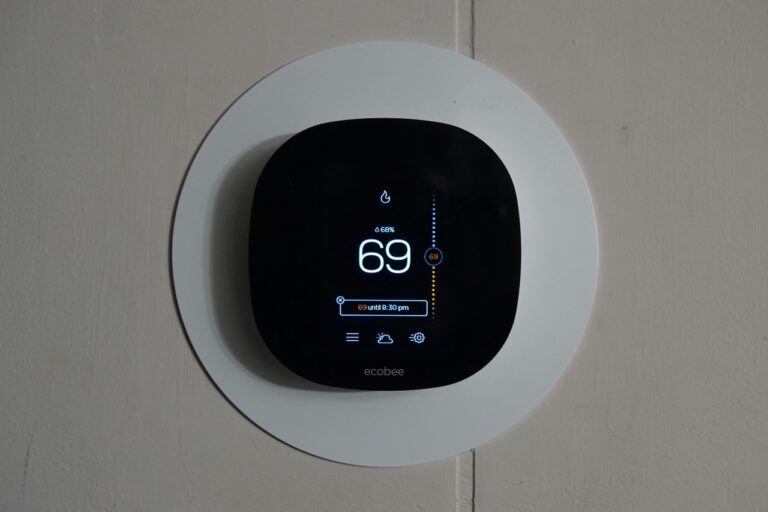
Your thermostat is the brain of your heating system. A dead battery, incorrect setting, or accidental switch can stop the heat entirely. Make sure it’s set to “Heat,” the temperature is set higher than the room temperature, and the screen is working. Sometimes the simplest checks fix the entire problem.
Inspect Your Breaker Panel
If your furnace loses power, it can’t heat your home. A tripped breaker is more common than many people think. Look for a switch that’s in the middle position or slightly out of line with the others. Reset it once, but if it trips again, stop there. That’s a sign you need emergency heating repair from a trained technician.
Check the Furnace Filter
A clogged filter can block airflow and force the furnace to shut down for safety. Hold the filter up to the light. If you can’t see through it, it’s overdue for replacement. Change it and restart the system. This quick fix solves many unexpected heating issues.
When You Need a Professional for Emergency Heating Repair
Some problems need immediate help. If you notice any of the signs below, skip troubleshooting and call a professional right away.
You Smell Gas or Burning Odors
A natural gas smell is an emergency. Leave the home and call your gas company. Burning or electrical odors are also major red flags. These issues require emergency heating repair to prevent danger.
Your Furnace Makes Loud or Sudden Noises
Banging, grinding, or screeching sounds usually point to mechanical failure. These problems can worsen quickly if the system continues running.
The Heat Works but Your Home Never Warms Up
This can signal failing components, poor airflow, or overheating. A technician can diagnose the cause safely and restore proper function.
Common Issues Resolved During Emergency Heating Repair
Not every heating breakdown is severe. But many require technical skill and diagnostic tools to solve. Below are common issues that professionals fix during an emergency heating repair visit.
Ignition or Pilot Problems
Older systems often rely on a pilot light. Newer ones use electronic ignition. Either can fail, stopping the furnace from producing heat. A technician can restore or replace these parts quickly.
Blower Motor Failure
If the motor can’t push warm air through the ducts, the home stays cold even if the furnace fires. Motor repair or replacement is a common emergency heating repair service.
Faulty Limit Switch
This switch prevents overheating. When it fails, the furnace shuts down for protection. A technician can reset or replace it safely.
How to Stay Warm While Waiting for Emergency Heating Repair
Even a short wait can feel long when the temperature drops. These simple steps help maintain comfort while keeping safety first. For broader home heating guidance, the U.S. Department of Energy provides helpful information through its Energy.gov home heating resource.
Close Curtains and Block Drafts
Stopping heat loss makes a noticeable difference. Heavy curtains or rolled towels under doors help keep warm air inside.
Use Space Heaters Safely
Keep them away from flammable materials and never leave them unattended. They’re helpful in smaller rooms while waiting for emergency heating repair.
Gather in One Room
Staying in a smaller space warms the area faster and helps conserve heat.
Preventing Future Breakdowns After Emergency Heating Repair
Once your system is working again, take steps to prevent another unexpected failure.
Schedule Regular Maintenance
A professional tune-up catches small issues before they become major problems. You can learn more about how Blue Valley supports long-term system care by visiting their emergency HVAC repair Colorado on the company website. Maintenance also helps your system run more efficiently.
Replace Filters More Often
Most homes need a new filter every one to three months. Fresh filters protect your system and improve airflow.
Pay Attention to Early Warning Signs
Strange noises, uneven heat, or rising energy bills often signal trouble. Addressing them early reduces the need for emergency heating repair later.
FAQs About Emergency Heating Repair
What should I do first if my heat stops suddenly?
Start with simple checks: thermostat settings, breaker switches, and your furnace filter. These issues are easy to fix and often restore heat quickly. If none of these steps help, you likely need emergency heating repair from a professional.
How fast can a technician arrive for emergency heating repair?
Response time varies by area and weather conditions. During cold snaps, demand increases, but most companies prioritize no-heat calls and work to arrive as quickly as possible.
Is it safe to keep trying to restart my furnace?
Repeated restarts can cause more damage. If the system won’t stay running after one restart attempt, stop there and call for emergency heating repair.
Why does my furnace shut off before heating the house?
Short cycling can be caused by overheating, clogged filters, airflow issues, or failing components. A technician can diagnose the issue accurately.
How can I reduce the chances of needing emergency heating repair again?
Routine maintenance, prompt repairs, and clean filters are key. Homeowners who want to understand their system better can also explore Blue Valley’s heating maintenance guide page, which highlights technician experience and service standards. are the best ways to protect your furnace. Paying attention to small changes in performance also helps catch issues early.