Denver HVAC Systems: Why CO’s New Winter Humidity Affects Them
Colorado winters used to be simple. Cold air, dry snow, low humidity, and predictable heating needs. Over the last several years, that pattern has changed, affecting in particular Denver HVAC Systems. Front Range homeowners are now dealing with winter rain, sudden temperature swings, and lingering moisture that feels more like early spring than January. These shifts may seem harmless, but they create real stress on home comfort equipment.
When winter moisture rises, heating systems behave differently. Components that were designed for cold, dry air suddenly have to manage damp conditions, condensation, and frequent on-off cycling. For homeowners along the Front Range, especially in the metro area, understanding how these patterns affect Denver HVAC Systems is no longer optional. It directly impacts comfort, energy bills, and long-term system reliability.
At Blue Valley Heating & Cooling, we see the effects of unseasonable humidity every winter. Systems short cycle, filters clog faster, furnaces struggle with airflow, and homeowners notice uneven heat or lingering cold spots. This guide breaks down how rain-heavy winters differ from snow-driven ones, what that moisture does inside your home, and how to protect your equipment before small issues turn into expensive repairs.
Colorado’s Winter Weather Is Changing: how it affects Denver HVAC Systems
Winter weather along the Front Range is becoming less predictable. Instead of long stretches of cold and snowpack, Denver and surrounding communities now experience alternating cycles of rain, melting snow, refreezing, and sudden warm-ups. This shift matters because HVAC systems are designed around historical climate patterns.
Cold and dry winters place stress on heating output, while moist winters place stress on airflow, ventilation, and moisture control. When winter precipitation falls as rain instead of snow, moisture levels rise both outdoors and indoors. Homes absorb that humidity through ventilation, door gaps, crawl spaces, and basements. Even well-sealed homes feel the impact.
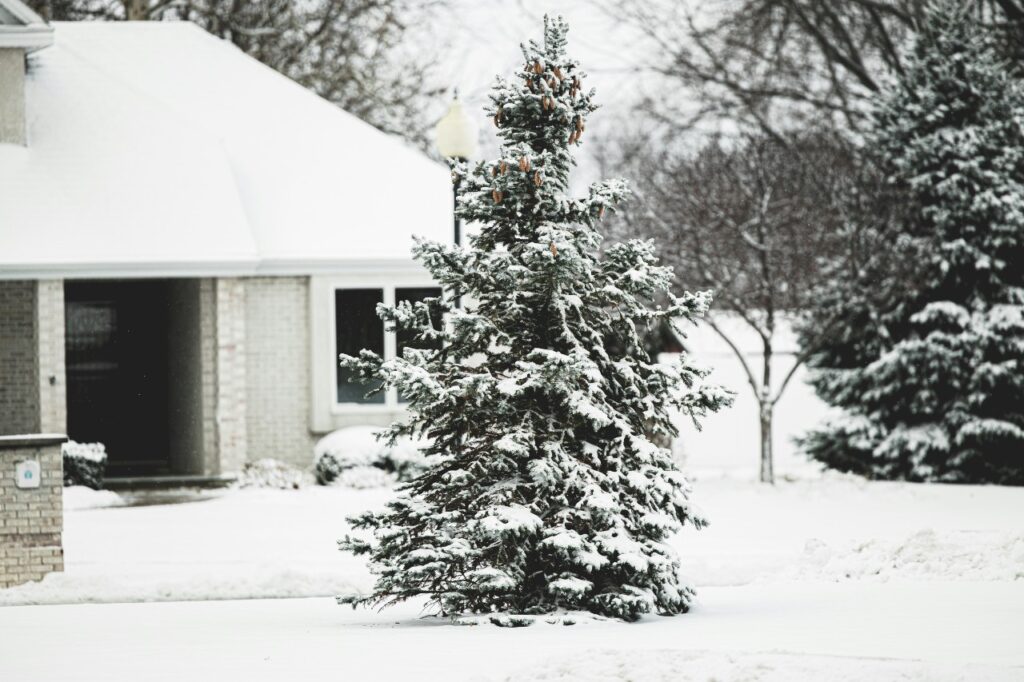
Rain also creates longer damp periods where temperatures hover near freezing. That combination increases condensation risk inside ductwork, heat exchangers, and venting systems. Traditional snow-based winters are colder but drier. Snow locks moisture outside until it melts, and indoor air remains relatively dry. Heating systems run longer but more consistently, which often reduces wear caused by frequent cycling. The difference between rain and snow determines how your heating system manages moisture. Denver HVAC Systems are increasingly expected to handle both extremes in the same season, sometimes within the same week.
How Winter Humidity Affects Home Comfort
Humidity plays a bigger role in winter comfort than most homeowners realize. While dry air causes irritation and static electricity, excessive moisture creates its own set of problems. Moist air feels cooler than dry air at the same temperature. That means your home may feel chilly even when the thermostat says otherwise.
Furnaces compensate by running longer or cycling more often, increasing wear. Humidity amplifies airflow issues; moist air moves differently through duct systems, exposing leaks and pressure imbalances that might go unnoticed during dry conditions. Persistent window condensation is a clear sign of excess indoor moisture. Left unaddressed, it can lead to mold growth, damaged window frames, and insulation problems.
The Mechanical Impact on Denver HVAC Systems
Moisture is not friendly to mechanical systems. When winter humidity rises, internal HVAC components face conditions they were not originally designed to handle continuously. Repeated condensation and evaporation cycles can accelerate corrosion inside heat exchangers, which is why timely furnace repair is critical when performance issues appear during damp winter stretches. Over time, this increases the risk of cracks and carbon monoxide leaks.
Control boards, sensors, and wiring are sensitive to moisture. High humidity increases the likelihood of electrical faults and intermittent system failures. Moist air is heavier than dry air. That added density increases resistance inside ductwork, forcing blower motors to work harder to maintain airflow.
Venting and Combustion Challenges for Denver HVAC Systems
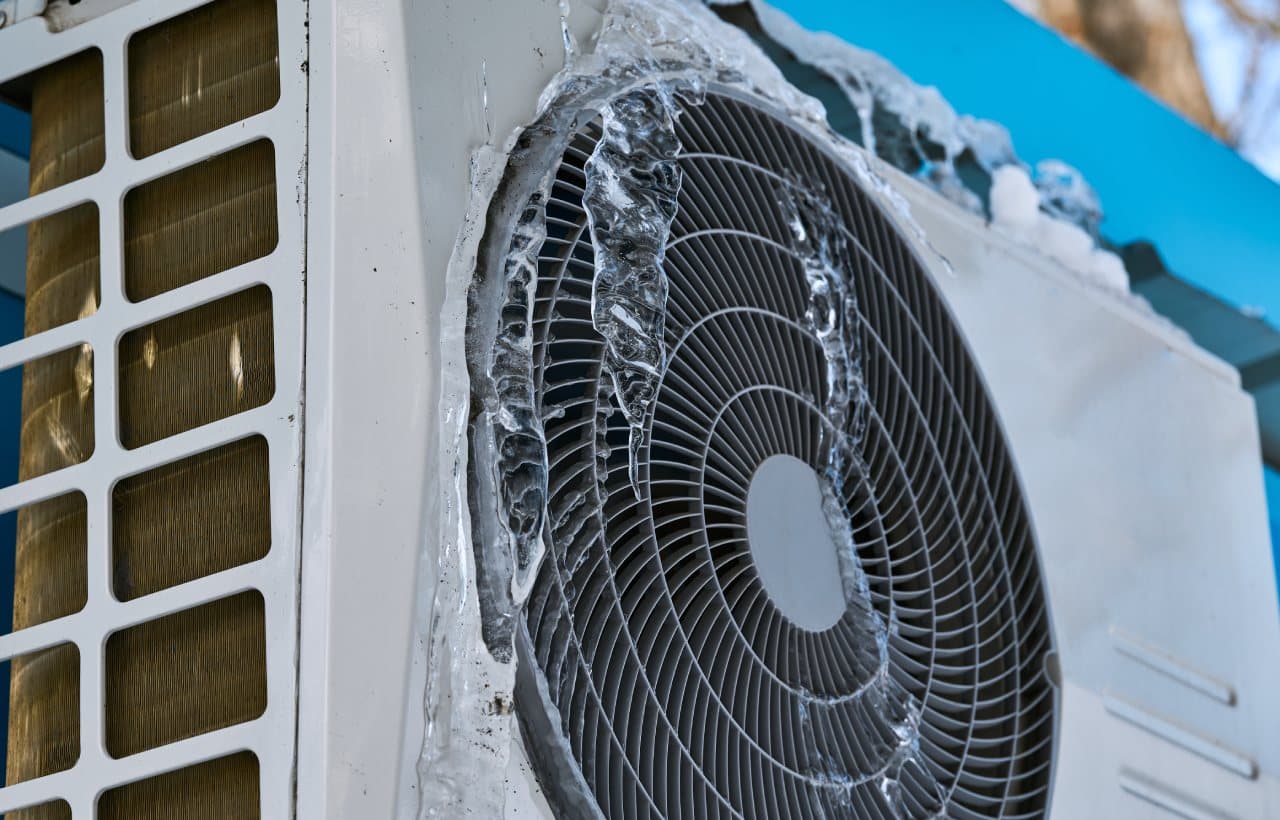
Rain-heavy winters place additional strain on venting systems. Furnace exhaust pipes are especially vulnerable when temperatures fluctuate near freezing. High-efficiency furnaces produce condensate as part of normal operation. In humid winters, condensate volumes increase, raising the risk of drain clogs or freezing.
Moist exhaust can freeze at vent termination points, partially blocking airflow. This triggers safety shutoffs and intermittent heating failures. Improper venting combined with moisture can cause exhaust gases to re-enter the home, creating safety hazards that should never be ignored.
Air Quality Concerns During Damp Winters
Indoor air quality often declines during wet winters. Guidance from the EPA on indoor air quality and moisture control shows how excess humidity contributes to mold growth, airflow restriction, and comfort complaints. Homes stay sealed, ventilation is limited, and moisture accumulates indoors.
Basements, crawl spaces, and duct interiors are common problem areas. Once mold spores spread, they affect both comfort and health. Moisture causes airborne particles to cling to surfaces and filters. Filters clog faster, reducing airflow and system efficiency. Without proper ventilation, damp air becomes stagnant, leading to odors, discomfort, and increased strain on heating equipment.
Why System Maintenance Matters More Ever
Regular maintenance becomes critical when winter weather turns unpredictable. Homeowners who rely on professional heating services in Denver are better positioned to prevent moisture-related failures and comfort issues during volatile winter conditions. A system tuned for dry cold may struggle during wet conditions.
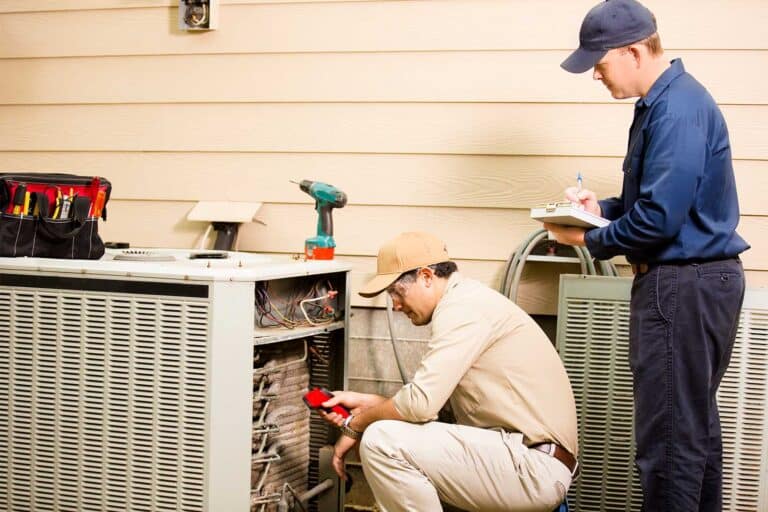
Professional furnace inspections help identify moisture-related risks early. Ongoing furnace maintenance and tune-ups play a major role in keeping systems stable as humidity levels fluctuate throughout the winter. At Blue Valley Heating & Cooling, our technicians routinely check drainage, venting, airflow, and combustion safety during winter service visits. Homeowners who schedule routine heating maintenance often experience fewer mid-season breakdowns and more consistent comfort throughout unpredictable winters.
Equipment Sizing and Modern System Design
Older systems were sized and installed based on historical weather patterns. Modern Denver HVAC Systems must account for humidity control as well as heating output. Variable-speed technology allows systems to adapt airflow based on real-time conditions. This improves moisture control and comfort during damp winters.
Modern high-efficiency furnaces manage condensation more effectively and maintain steadier performance during fluctuating temperatures. Advanced thermostats help regulate run times and reduce short cycling caused by sudden weather changes.
When to Consider System Upgrades
If your heating system struggles during wet winters, it may be time to evaluate replacement options. Modern HVAC replacement & installation solutions are designed to handle both moisture control and heating efficiency in Colorado’s evolving climate. Signs include frequent repairs, inconsistent heat, and rising energy bills.
Homeowners exploring upgrades can learn more about modern heating solutions through Blue Valley Heating & Cooling’s heating services and system replacement options, which are designed for Colorado’s evolving climate.
Energy Efficiency and Utility Costs
Humidity-related inefficiencies often show up on energy bills. Systems working harder to overcome moisture consume more fuel or electricity. According to guidance from the U.S. Department of Energy on home heating efficiency, maintaining proper airflow, insulation, and system efficiency is essential for controlling winter energy costs in mixed-climate regions. Homes with balanced humidity typically maintain comfort at lower thermostat settings, reducing overall energy consumption.
Protecting Your Home During Unseasonable Winters
There are steps homeowners can take to reduce the impact of winter humidity. Weatherstripping and air sealing reduce moisture intrusion and improve system efficiency. Ideal winter humidity levels generally range between 30% and 40%. Anything higher may indicate ventilation or drainage issues. Routine service allows technicians to identify moisture-related problems before they cause damage.
How Blue Valley Heating & Cooling Helps
Our team understands how Colorado’s changing winters affect Denver HVAC Systems at every level. We design, maintain, and service equipment with moisture management in mind, not just heating output. Whether you need seasonal maintenance, airflow adjustments, or system upgrades, Blue Valley Heating & Cooling focuses on long-term reliability and comfort in unpredictable weather.
FAQs about Denver HVAC Systems
How does winter rain affect heating systems differently than snow?
Winter rain increases indoor humidity, leading to condensation, airflow resistance, and increased wear on heating components compared to dry snow conditions.
Can high humidity cause furnace breakdowns?
Yes. Excess moisture can damage electrical components, clog condensate drains, and trigger safety shutdowns.
What humidity level is best for winter comfort?
Most homes feel comfortable between 30% and 40% indoor humidity during winter.
Should I run a humidifier during a wet winter?
Not always. During damp winters, added humidity can worsen condensation and comfort issues. Professional assessment is recommended.
When should I schedule a winter HVAC inspection?
Early winter or before major weather swings is ideal, especially if your system has struggled in past seasons.