AC Maintenance: Beat the Rush is the Secret to Save Money
Picture this: the first scorcher of the year finally hits. You confidently flip your thermostat to “Cool,” ready for that blast of icy relief, but… nothing happens. Maybe just a sad flow of lukewarm air, or even total silence. Honestly, most of us completely forget our AC exists during the winter months, so this scenario of lack of AC Maintenance is more common than you’d think.
But waiting until you absolutely need cold air is actually the riskiest strategy. By the time summer hits, HVAC companies are swamped, prices surge due to demand, and you might be stuck waiting days for a repair.
The “insider secret” of the HVAC world is that late winter through early spring (late February to April) is the sweet spot for maintenance. It’s not just about being responsible; it’s about being smart with your money and your time.
Why Timing is Everything in AC Maintenance
Think of the off-season as the “happy hour” of home maintenance. During the peak of summer, technicians are running from emergency call to emergency call. They are overworked, and the systems they are fixing are overheating.
In contrast, during the mild months of early spring:
- The stakes are lower: If a part needs to be ordered, you aren’t sweating it out in a 90-degree living room while you wait.
- The focus is higher: Technicians aren’t rushing. They have the time to perform a truly deep inspection, cleaning components that might get skipped when the schedule is packed.
- The price is often better: Because business slows down for HVAC companies after the winter freeze but before the summer heat, you can often find discounts, waived trip charges, or more competitive labor rates.
Prevention vs. Panic: The Breakdown
Air conditioners rarely die instantly. They die a slow death caused by wear and tear. A capacitor gets weak, a coil gets clogged with dust, or a contactor gets pitted. Many of the top reasons your HVAC system needs repairs are actually preventable.
If you catch these things in March, they are cheap, quick fixes. If you ignore them, they force the system to work harder until a major component (like the compressor) blows out in July.
Expert Note: A clean system is a cheap system. When your coils are dirty, the unit has to run longer to cool your home. That doesn’t just wear out parts; it drives up your electric bill.
What Actually Happens During AC Maintenance?
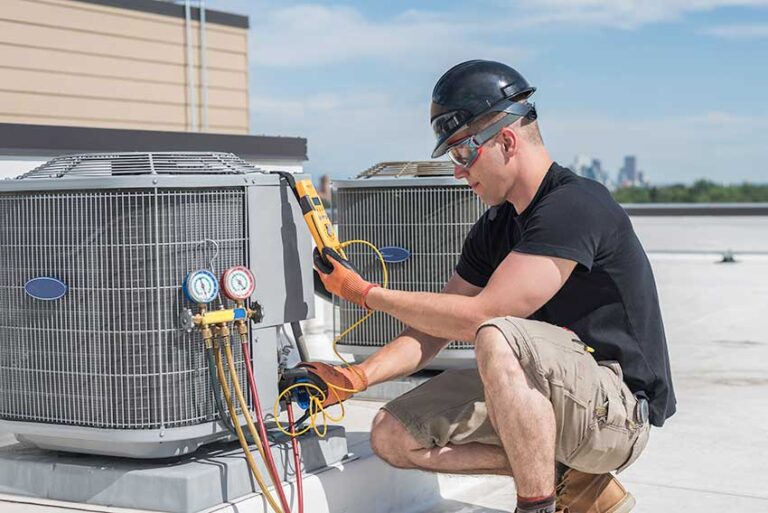
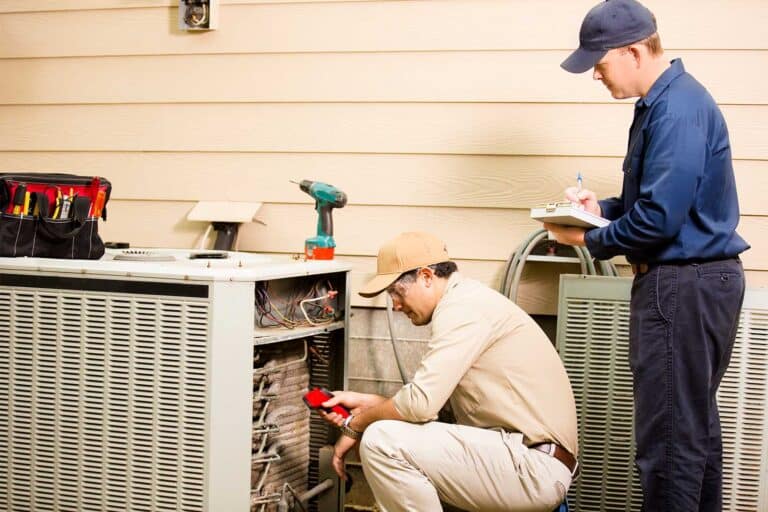
Some people worry that a “tune-up” is just a technician walking around with a flashlight for five minutes. A real professional air conditioning service is much more involved. Here is what you should expect them to handle:
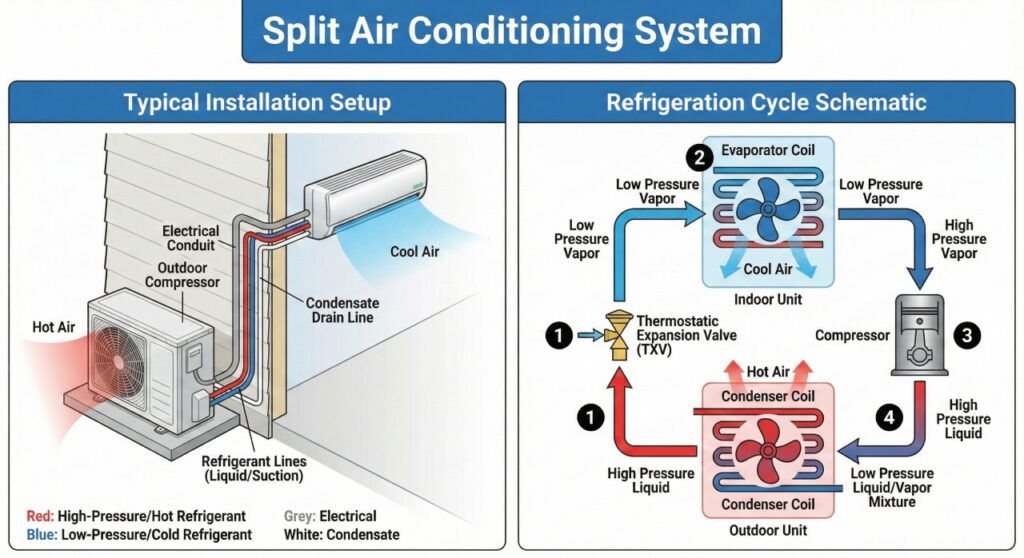
- Coil Cleaning: Cleaning the condenser and evaporator coils is critical for heat exchange.
- Electrical Safety: Tightening connections (vibration loosens them over time) and testing amperage.
- Drainage: Clearing the condensate line. A clogged line can cause water damage to your ceiling or basement.
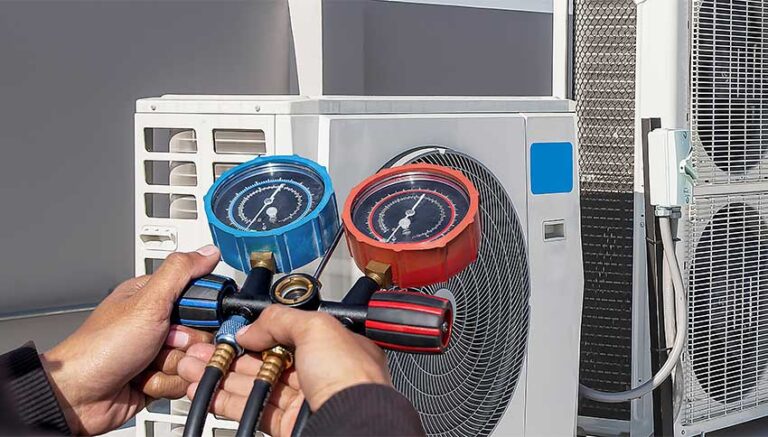
- Refrigerant Check: Ensuring you haven’t developed a slow leak over the winter.
For a deeper dive, you can check the Energy Star maintenance checklist to see how industry standards compare to your service plan.
The “DIY” vs. Pro Balance
Can you do some of this yourself? Absolutely. You should be changing your filters regularly and keeping leaves or bushes cut back from the outdoor unit.
However, things like checking refrigerant pressures, testing electrical loads, and calibrating internal components require professional tools and training. It is dangerous to mess with the high-voltage interior of an AC unit if you don’t know what you’re doing.
Comparison: Planned Maintenance vs. Emergency Repair
To see why planning ahead matters, look at the difference between a scheduled spring visit and a summer emergency call.
| Feature | Off-Season Service (Spring) | Emergency Repair (Summer) |
| Cost | Standard or Discounted Rates | Premium/Emergency Rates |
| Wait Time | Flexible (You pick the slot) | Hours or Days (You wait in line) |
| Stress Level | Low (System isn’t needed yet) | High (Home is uncomfortable) |
| Part Availability | Standard shipping (Cheaper) | Expedited shipping (Expensive) |
| Outcome | Improved Efficiency | Quick Fix to restore function |
Older Systems AC Maintenance: Repair or Replace?
If your system is aging (10-15+ years), an off-season checkup is even more vital. This is the time to have a frank conversation with a technician about the signs that your system needs attention.
If the system is on its last legs, finding out in March gives you weeks to shop around for a quote on a new unit. Finding out in July usually means you have to buy whatever is in stock immediately, often at a higher price, just to get the house cool again.
Key Takeaways
- Energy Savings: The Department of Energy air conditioning guide suggests that routine care can drop cooling energy usage by up to 15%.
- Longevity: Systems that are cleaned and maintained annually can last years longer than those that are neglected.
- Peace of Mind: The biggest benefit is psychological. You go into summer knowing your system is ready for the heat.
Frequently Asked Questions AC Maintenance
Does off-season service actually save money?
Yes. Aside from catching small repairs before they become expensive failures, a tuned-up system uses less electricity. Plus, you avoid the “emergency fee” markups common in peak season.
Is it necessary to do this every year?
Ideally, yes. Think of it like an oil change for your car. Skipping a year might not kill the system immediately, but it accelerates wear and tear significantly.
What if they find a problem?
That’s actually good news. Finding a weak part now means you can fix it on your own schedule, rather than having it fail when it’s 95 degrees outside.