HVAC Near Me: 9 Signs You Need Service ASAP
If you’re searching hvac near me, you’re probably not doing it for fun. Something feels off: your house won’t hold temperature, the system is louder than normal, or you’re worried a small problem is turning into an expensive one. The tricky part is that HVAC problems don’t always show up as a total breakdown. Many start as little changes—longer run times, weird smells, uneven rooms—and then they pile up.
This guide walks through nine signs that it’s time to stop guessing and schedule service. Along the way, you’ll get a few safe checks you can do as a homeowner, what not to touch, and what a good technician should inspect once they arrive. If you want to see how Blue Valley approaches urgent calls, their HVAC Repair Near Me: Signs You Need Same-Day Service is a useful companion read.
Sign 1: Your system runs, but comfort keeps slipping
A common reason people type hvac near me is simple: the thermostat says one thing, but the room feels different. Maybe the system runs constantly, yet the house never quite gets warm enough in winter or cool enough in summer. That can happen when airflow is restricted, coils are dirty, ductwork is leaking, or equipment is sized wrong for the home.
Homeowner-safe check:
- Replace the air filter if it’s dirty.
- Make sure supply vents are open and not blocked.
If the problem returns quickly, it’s time for hvac near me service because the root cause is still there.
Sign 2: Some rooms are hot, others are cold
Uneven temperatures usually point to airflow issues, duct leakage, poor balancing, or a blower that’s struggling. It can also be a sign of an aging system that can’t keep up anymore. If one room is consistently uncomfortable, don’t just crank the thermostat and hope—hvac near me searches often start this way and end with a bigger repair.
What a tech should check:
- Duct sizing and leaks
- Blower performance
- Static pressure
- Return-air pathways
Sign 3: Strange noises you didn’t hear before
Rattling, buzzing, grinding, or squealing are all “pay attention” sounds. A loose panel can be harmless, but buzzing can point to electrical issues, and grinding can mean motor or bearing problems. If a new sound starts and sticks around, searching hvac near me is the right move.
Rule of thumb:
If the noise is loud, sudden, or paired with burning smell—shut the system off and call.
Sign 4: Burning or electrical smells
A brief dusty smell at the first heat cycle of the season can be normal. But sharp electrical odors, melting plastic smells, or smoke are not. These can indicate overheating wiring, failing motors, or control board issues. In those moments, hvac near me is more than convenience—it’s safety.
What to do:
- Turn the system off at the thermostat.
- If you suspect an electrical problem, switch the HVAC breaker off.
- If you smell gas, leave the home and contact the gas utility.
Sign 5: Your energy bills jump without a clear reason
If your usage habits haven’t changed, a higher bill often means the system is working harder to get the same result. Dirty coils, low airflow, refrigerant issues, and failing components can all push energy use up. Many homeowners search hvac near me after the second month of “why is the bill so high?”
A technician should measure:
- Temperature split (supply vs. return)
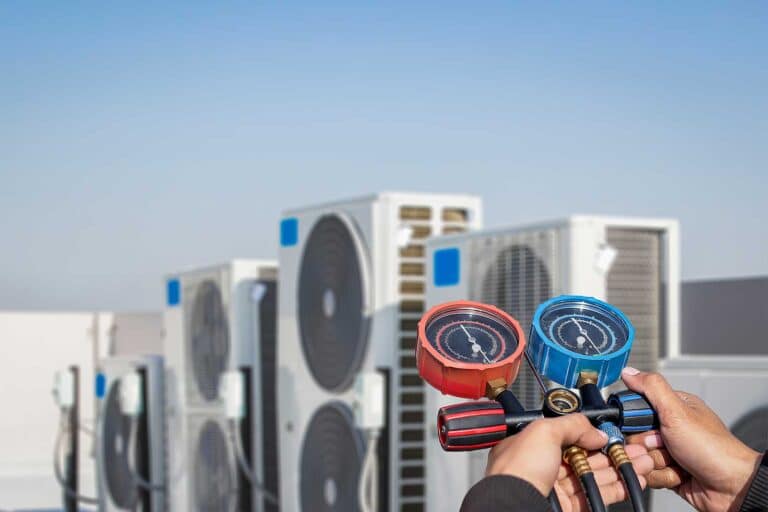
- Refrigerant pressures (for AC/heat pumps)
- Combustion and safety readings (for furnaces)
- Duct leakage indicators
Sign 6: Frequent cycling or nonstop running
Short cycling (on-off-on-off) can come from thermostat placement, airflow restrictions, sensor problems, or oversized equipment. Nonstop running can be a capacity issue, dirty coils, refrigerant concerns, or duct leakage. Either way, it’s a sign to book hvac near me service before the wear and tear becomes a breakdown.
Homeowner-safe check:
- Confirm thermostat mode and fan settings.
- Make sure the outdoor unit has clear space around it (for AC/heat pumps).
Sign 7: You see water, ice, or moisture where it shouldn’t be
Water around the indoor unit can mean a clogged condensate drain, a cracked pan, or freezing that’s melting later. Ice on refrigerant lines usually points to airflow problems or refrigerant issues. If you see ice, turn the system off to protect the compressor and schedule hvac near me help.
What not to do:
- Don’t chip ice off coils with tools.
- Don’t add refrigerant without leak testing.
For cooling-specific warning signs, AC Repair Near Me: 9 Signs Your System Needs Help breaks down what techs typically test and why.
Sign 8: Your system is older and repairs are stacking up
Age alone doesn’t mean “replace it,” but repeated service calls are a signal. When repairs become routine, it’s smart to talk about repair-versus-replace with real numbers. A solid contractor will explain options clearly, not pressure you. If you’re looking for a broader view of residential system services—repair, installation, and maintenance—Residential HVAC is a good starting point.
How to think about it:
- If the system is older and needs major parts repeatedly, replacement may lower long-term risk.
- If the system is newer and the issue is isolated, repair often makes sense.
Sign 9: Your indoor air feels stale, dusty, or “off”
HVAC isn’t just temperature. It affects how air moves, how humidity behaves, and how clean the air feels. If your home is suddenly dusty, if odors linger, or if humidity swings are uncomfortable, it’s worth calling hvac near me and asking for an airflow and indoor-air-quality check. Sometimes the fix is simple (filter upgrades, sealing, cleaning), and sometimes it points to duct problems.
What a good service visit should include
When you schedule hvac near me service, you want more than a quick guess. A thorough visit usually includes:
- Listening to your symptoms and timeline
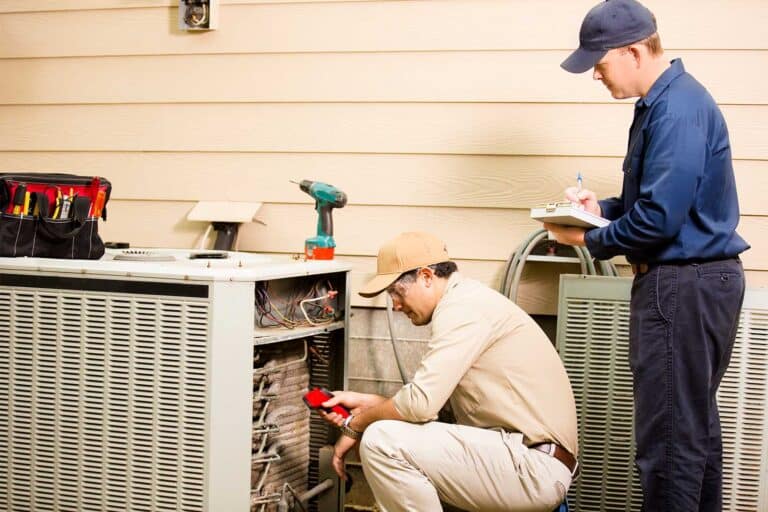
- Visual inspection of indoor and outdoor equipment
- Electrical checks (connections, capacitors, controls)
- Airflow testing and filter evaluation
- Temperature measurements and performance checks
- Safety checks for heating equipment
If you’re choosing a company, look for clear communication and documented findings. You should understand what failed, why it failed, and what “fix now” versus “fix soon” looks like.
A few safe troubleshooting steps before you call
Sometimes you can solve a simple issue fast. Before you book hvac near me, you can:
- Check the thermostat: correct mode (heat/cool), setpoint, and fresh batteries if needed.
- Check breakers: reset once if tripped. If it trips again, stop and call.
- Replace the filter: if you can’t see light through it, it’s time.
- Check vents: open and unobstructed.
If the system still won’t run right after those basics, it’s time for hvac near me service.
Energy efficiency tips that actually help
Once your system is running properly, efficiency becomes easier. The U.S. Department of Energy’s air conditioning guide has practical maintenance and cooling habits that can reduce load and improve comfort. (The Department of Energy’s Energy.gov)
For heating season prep, this Colorado furnace winterizing checklist is also a solid reference for homeowners. (5280)
How to choose a local HVAC company without getting burned
When you’re stressed, it’s easy to pick the first name that shows up. A better approach is to use a quick screen that protects you from surprise charges and sloppy work.
Ask these questions:
- Are you licensed and insured for the work you’re doing in my area?
- Will you provide a written estimate before major repairs?
- Do you diagnose first, or do you “quote over the phone” without seeing the system?
- What warranty comes with the repair and the parts?
- Will you show me the failed part or the test readings that led to the recommendation?
Also, pay attention to communication. A good dispatcher asks smart questions. A good technician explains findings in plain language and doesn’t talk down to you.
What “fair pricing” usually looks like
HVAC pricing isn’t one flat number because the problem, parts, and access vary. Still, you can protect yourself by understanding how reputable companies build estimates.
Typical line items include:
- Service call / diagnostic fee
- Labor for the repair (often based on time and complexity)
- Parts (capacitor, ignitor, motor, board, etc.)
- Refrigerant work (if needed), including leak testing requirements
- After-hours or emergency fees (if applicable)
A solid estimate should tell you what is included, what could change, and what would require approval. If the technician discovers additional issues mid-job, you should be asked before any extra work begins.
Repair vs. replace: a practical way to decide
If you’re on the fence, ask for two scenarios: “repair now” and “replacement planning.” Even if you choose repair today, you’ll leave the conversation with a clear path.
Consider replacement planning when:
- Major components are failing (compressor, heat exchanger, control board) and the system is older
- Comfort is uneven and ductwork or sizing issues are part of the problem
- Efficiency is poor and you’re paying for it every month
- You want features like better humidity control, zoning, or smarter thermostats
Consider repair when:
- The system is newer or in good overall condition
- The fix is a common wear item (capacitor, ignitor, contactor)
- Performance was strong until a single failure occurred
What you can do between service visits
You don’t need to be a technician to reduce problems. A few consistent habits make breakdowns less likely:
- Change filters on a schedule that matches your home (pets, dust, allergies)
- Keep outdoor units clear of leaves, grass, and snow buildup
- Make sure supply and return vents aren’t blocked by furniture or rugs
- Use bathroom and kitchen exhaust fans to control moisture
- Watch for small leaks around equipment and address them early
If your home has rooms that never feel right, note when it happens (sun exposure, time of day, doors closed). That pattern helps the technician spot duct and airflow problems faster.
When to shut the system off
If you see smoke, smell strong electrical odor, hear loud grinding, or notice water actively dripping near wiring, shutting the system off can prevent more damage. Turn it off at the thermostat first. If you’re comfortable, switch the HVAC breaker off too. For gas odors, leave the home and call the gas utility from outside.
What to write down before the technician arrives
A short list can save time and money:
- The model/serial numbers if you can find them
- Any error codes on the thermostat or equipment
- The last time the filter was changed
- When the issue started and whether it’s constant or intermittent
- Recent events: power outage, storm, construction dust, or remodel
That information helps a professional separate “symptoms” from “causes” quickly.
How to get help fast
If you’re at the point where you’re searching hvac near me because comfort or safety feels urgent, don’t wait for the problem to “settle down.” Write down what you’re noticing (sounds, smells, how long it’s been happening, and any recent changes like power outages). That helps the technician diagnose faster.
If you’re in the Longmont area and want to book a visit, Contact Us makes it easy to schedule or call. (Blue Valley Heating & Cooling)
FAQs
How do I know if I need emergency service?
If you smell gas, see smoke, notice burning electrical odor, or the home is dropping toward unsafe temperatures, treat it as an emergency and call hvac near me service right away.
Why does my HVAC work better at night than during the day?
During peak heat, your system has a bigger temperature gap to overcome and may run longer. If it can’t keep up at all, hvac near me troubleshooting can uncover airflow restrictions, coil issues, or capacity problems.
Can a dirty filter really stop heating or cooling?
Yes. Severe restriction can trigger safety limits, freeze coils, and reduce airflow enough to make the system feel “broken.” If you’re repeatedly searching hvac near me after changing filters, there’s likely an underlying airflow or duct issue.
What should I tell the technician on the phone?
Share the thermostat setting, current indoor temperature, the symptom (no heat, no cool, short cycling, noise, smell), and when it started. That level of detail helps a pro show up prepared.
How often should my system be serviced?
Most homes benefit from seasonal checkups—one before heavy cooling season and one before heavy heating season—especially in climates with big swings. Regular maintenance can reduce the odds you’ll need hvac near me service at the worst moment.
Is it worth repairing an older system?
Sometimes. It depends on the failure, the overall condition, and how often problems happen. A straightforward repair can be worth it, but stacked repairs usually justify pricing a replacement too.