Furnace Emergency Repair Company: We Are There For Yout
When Colorado nights drop fast, a working furnace stops being a comfort and becomes a necessity. Homeowners across the Front Range know how quickly temperatures can shift, especially in places like Longmont and Centennial. One moment the house feels fine, the next it’s cold enough to see your breath indoors. That’s usually when furnace problems show up—late at night, during a weekend, or in the middle of a winter storm.This is exactly why furnace emergency repair CO needs to be fast, practical, and reliable.
A furnace failure isn’t just inconvenient. In Colorado, it can lead to frozen pipes, unsafe indoor temperatures, and serious stress for families. Understanding what counts as an emergency, what you can safely check, and when to call for help can make a real difference.
Below, we’ll break down what causes sudden furnace breakdowns, why timing matters so much in Colorado winters, and how professional emergency service protects both your home and your safety.
Why Furnace Breakdowns Happen at the Worst Times
Furnaces rarely fail when it’s convenient. Most emergency calls happen during cold snaps because that’s when systems are under the most strain. A furnace that has been running nonstop for days is far more likely to expose hidden issues.
One common cause is a neglected system. Dirty filters, worn ignition components, and failing sensors don’t always show obvious symptoms until the furnace is pushed hard. When outdoor temperatures plunge, small problems turn into full shutdowns.
Another issue is age. Older furnaces may still run, but internal components wear down over time. When they finally fail, it’s often sudden. That’s why furnace emergency repair CO services are busiest during extreme weather.
What Qualifies for Furnace Emergency Repair Co
Not every furnace issue requires immediate service, but some problems should never wait. If your furnace won’t turn on at all during freezing weather, that’s an emergency. The same applies if the unit starts blowing cold air instead of heat.
Strange smells are another red flag. A strong gas odor or burning smell should always be treated seriously. In those cases, shutting off the system and calling for emergency help is the safest move.
Carbon monoxide risks also turn furnace issues into emergencies. If your carbon monoxide detector goes off or you feel dizzy or nauseous while the furnace is running, leave the home and contact emergency services before scheduling furnace emergency repair CO technicians.
Why Colorado Homes Are More Vulnerable
Colorado homes face unique challenges compared to milder climates. Rapid temperature swings cause furnaces to cycle on and off more often, increasing wear. High-altitude conditions can also affect combustion and airflow if systems aren’t properly adjusted.
Many homes along the Front Range also have basements or crawl spaces where furnaces are located. When heating stops, those areas cool first, increasing the risk of frozen pipes and water damage. This is why fast furnace emergency repair CO response matters so much during winter nights.
What You Can Check Before Calling
Before placing an emergency call, there are a few safe checks homeowners can do. First, verify the thermostat settings. Make sure it’s set to heat and the temperature is higher than the current room reading.
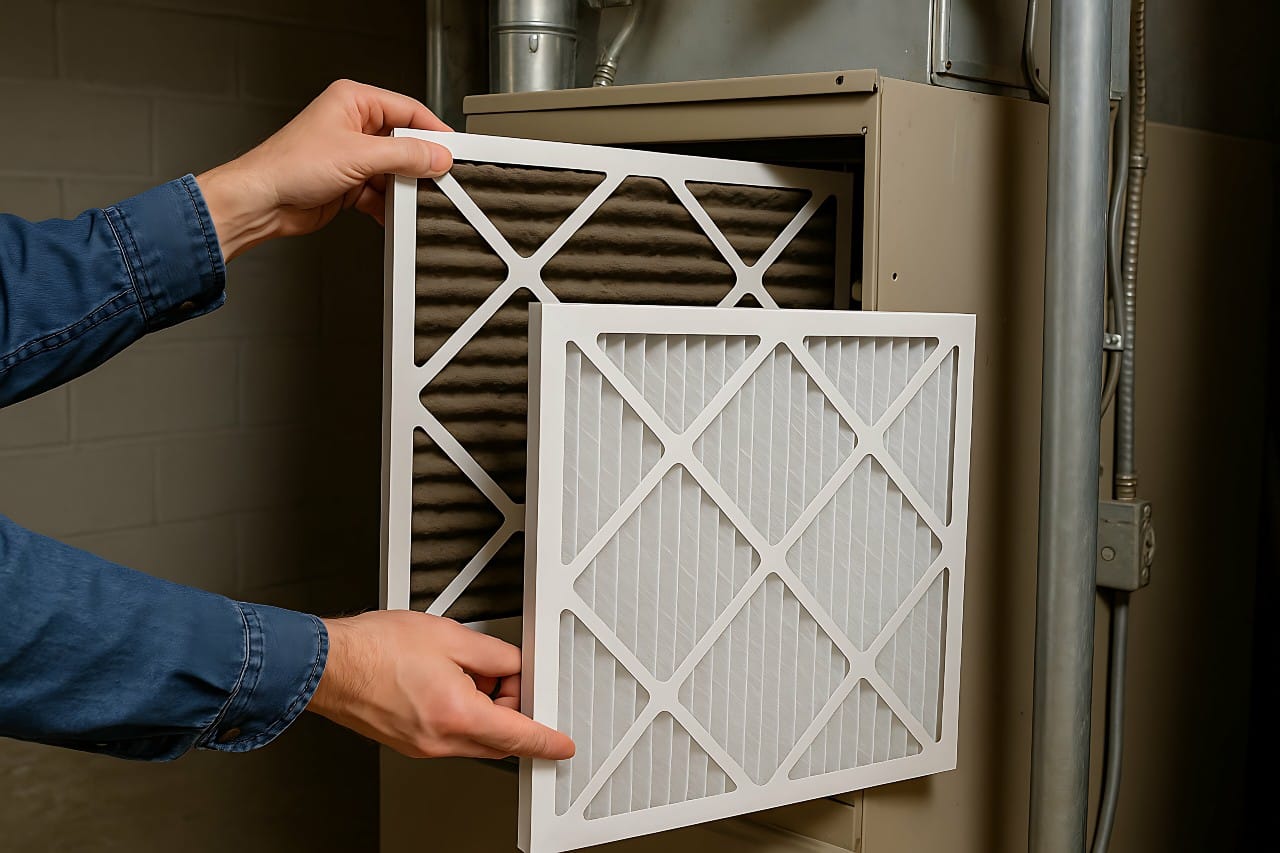
Next, check the furnace filter. A completely clogged filter can cause the system to shut down for safety reasons. Replacing it may restore operation in some cases.
Also look at the circuit breaker. A tripped breaker can shut down the furnace even if nothing is wrong with the unit itself. If everything looks normal and the furnace still won’t run, it’s time for professional furnace emergency repair CO service.
Why Waiting Can Make Things Worse
Delaying emergency furnace repair often leads to bigger problems. A system that short cycles or struggles to stay lit can suffer damage to major components like the heat exchanger or blower motor.
There’s also the risk to your home. Frozen pipes can burst quickly when indoor temperatures drop, leading to costly water damage. Even a few hours without heat during a Colorado cold snap can cause serious issues.
Calling for furnace emergency repair CO service early can prevent a manageable repair from turning into a full system replacement.
Professional Furnace Emergency Repair Co vs DIY Fixes
Some homeowners feel tempted to troubleshoot deeper furnace issues themselves. While basic checks are fine, internal furnace repairs should always be left to licensed professionals.
Modern furnaces include gas lines, electrical components, and safety controls designed to prevent dangerous situations. Improper handling can create fire hazards or carbon monoxide risks.
A trained technician knows how to diagnose issues quickly and restore heat safely. That’s why furnace emergency repair CO providers focus on fast response and correct fixes, not temporary patches.
How Preventive Maintenance Reduces Emergencies
While emergencies can’t always be avoided, regular maintenance reduces the chances dramatically. Annual inspections catch worn parts, dirty burners, and airflow issues before winter arrives.
Homeowners who schedule routine furnace maintenance often experience fewer breakdowns during cold weather. If you want to reduce emergency calls, professional heating maintenance is one of the most effective steps.
You can learn more about how proper care improves efficiency and reliability through resources like the Department of Energy’s guide on home heating systems.
Local Knowledge Makes a Difference
When dealing with furnace emergency repair CO homeowners benefit from working with technicians who understand local conditions. Colorado winters aren’t just cold; they’re unpredictable. Systems must be sized and serviced with that in mind.
Local professionals are familiar with common issues seen in Front Range homes and know how quickly conditions can worsen. That experience leads to faster diagnoses and safer outcomes.
What to Expect During an Emergency Service Call
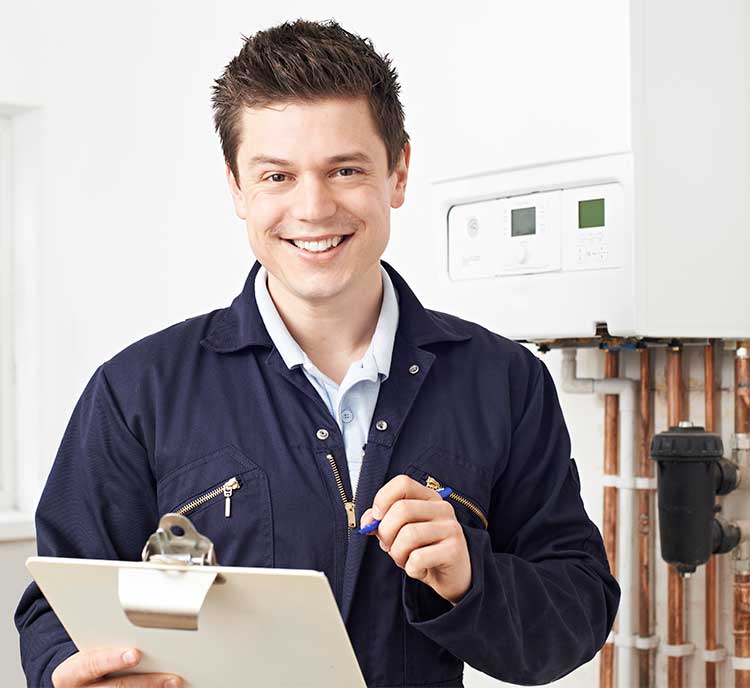
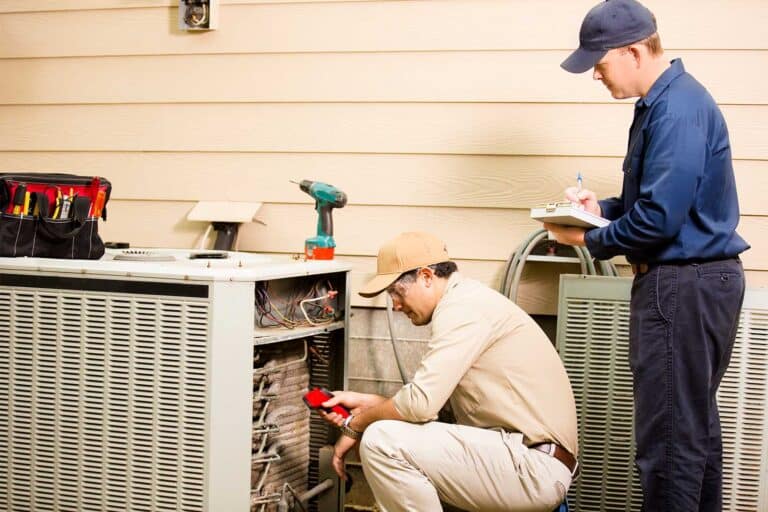
During an emergency visit, technicians focus on restoring safe heat as quickly as possible. They’ll inspect ignition systems, sensors, airflow, and safety switches to identify the root cause.
In many cases, repairs can be completed the same visit. If parts are needed, the technician will explain options clearly so you can make informed decisions without pressure.
Reliable furnace emergency repair CO service should always include clear communication, safety checks, and honest recommendations.
Related Heating Services for Colorado Homes
Emergency repair is just one part of a complete heating strategy. Homeowners should also understand when repair isn’t enough and replacement makes more sense.
If your system is older or breaks down frequently, learning about professional heating repair options can help you plan ahead. In some cases, upgrading to a newer, more efficient furnace improves comfort and reduces emergency risks.
Routine service visits also play a role. Scheduling regular heating maintenance keeps systems running smoothly throughout winter and reduces unexpected failures.
For homeowners considering long-term upgrades, understanding modern heating installation options can help improve reliability and energy efficiency.
Staying Safe Until Help Arrives
If your furnace fails completely, keep interior doors closed to trap warmth and use safe supplemental heat if available. Never use ovens or outdoor heaters indoors.
If pipes are at risk, allow faucets to drip slightly to reduce pressure buildup. These steps can help limit damage while waiting for furnace emergency repair CO professionals to arrive.
Why Fast Action Matters Most
In Colorado, heating problems escalate quickly. What starts as a chilly house can turn into a safety concern overnight. That’s why knowing who to call and when to act is essential.
Furnace emergency repair CO service isn’t just about comfort—it’s about protecting your home, your family, and your peace of mind when winter hits hardest.
Keynotes
• According to the U.S. Energy Information Administration, space heating accounts for about 45% of energy use in U.S. homes, making furnace reliability critical during winter.
• The Insurance Institute for Business & Home Safety reports that frozen pipes are one of the most common causes of winter property damage when heating systems fail.
• The Department of Energy estimates that proper furnace maintenance can reduce the likelihood of unexpected breakdowns by up to 95%.
FAQs
What causes sudden furnace failure during winter?
Sudden furnace failure is usually the result of components that have slowly worn down over time. Ignition systems, sensors, and motors can weaken without obvious warning signs until the furnace is under heavy demand. During Colorado cold snaps, furnaces often run for long stretches without rest, which exposes these hidden issues quickly.
In many cases, lack of regular maintenance accelerates the problem. Dirty filters, restricted airflow, and buildup on burners all increase strain on the system. When temperatures drop suddenly, these minor issues can combine into a complete shutdown.
Is no heat always considered an emergency?
Yes, a total loss of heat during freezing weather should always be treated as an emergency. Without heat, indoor temperatures can fall rapidly, increasing the risk of frozen pipes, water damage, and unsafe living conditions. Homes with children, elderly residents, or pets are especially vulnerable.
Even if outside temperatures seem manageable at first, Colorado weather can change quickly overnight. Calling for professional help as soon as heat is lost helps prevent further damage and restores safety faster.
Can I run my furnace if it smells strange?
No, running a furnace that produces unusual odors is unsafe. A gas smell may indicate a leak, while burning or metallic odors can signal overheating components or electrical issues. These situations pose fire and carbon monoxide risks.
If you notice strong or persistent odors, turn off the furnace, ventilate the area if possible, and seek professional service immediately. Do not attempt to restart the system until it has been inspected.
How quickly should emergency service arrive?
Response times depend on weather conditions and call volume, but reputable emergency services prioritize no-heat situations during extreme cold. Many providers offer same-day or after-hours response when temperatures are dangerously low.
Calling early, rather than waiting overnight, often improves response time and reduces the risk of secondary damage to your home.
Does regular maintenance really prevent emergencies?
Yes, regular furnace maintenance is one of the most effective ways to reduce emergency breakdowns. Annual inspections allow technicians to identify worn parts, airflow restrictions, and safety concerns before winter begins.
While maintenance cannot prevent every failure, it significantly lowers the chances of sudden shutdowns and helps furnaces operate more efficiently and reliably throughout the heating season.