Heating Repair Explained in Plain Language
When your heater starts acting up in the middle of a Colorado cold snap, you don’t care about complicated technical explanations—you just want your home warm again. This extended guide explains heating repair in Colorado in simple, clear language so you know what’s going on with your system and what steps actually matter. No jargon, no fluff, just the essentials. We’ll also point to helpful, real resources, including the heating repair services offered through Blue Valley Heating & Cooling.
Colorado winters push heating systems hard for many months of the year. When something breaks, homeowners often feel overwhelmed because they’re unsure whether the issue is small or serious. This guide helps you understand common heating problems, when professional repair is needed, how systems respond to Colorado’s climate, and how services like furnace repair, boiler repair, and full heating system maintenance can keep your home comfortable. And because heating problems worsen over time, knowing what to look for can help prevent major breakdowns.
Understanding Heating Repair in Colorado
Heating repair in Colorado involves diagnosing issues, understanding how the system handles long stretches of cold weather, and knowing which components commonly fail under seasonal pressure.
Why Colorado Homes Experience More Heating Problems
Colorado winters are long, dry, and consistently cold, which means heating systems run for extended hours without breaks. Constant operation leads to more wear and tear, especially on older systems. Over time, clogged filters, aging motors, ignition trouble, thermostat miscommunication, and sensor failures all become more likely. Because these systems work harder here than in milder climates, even small issues can grow quickly.
Common Warning Signs of Heating Issues
Before a heater breaks down entirely, homeowners often notice early symptoms such as uneven room temperatures, rising utility bills, rattling or grinding noises, weak airflow, and short cycling. Many of these issues are tied to neglected maintenance or older components nearing the end of their lifespan. Addressing these signs early can prevent costly repairs later.
How Repairs Work
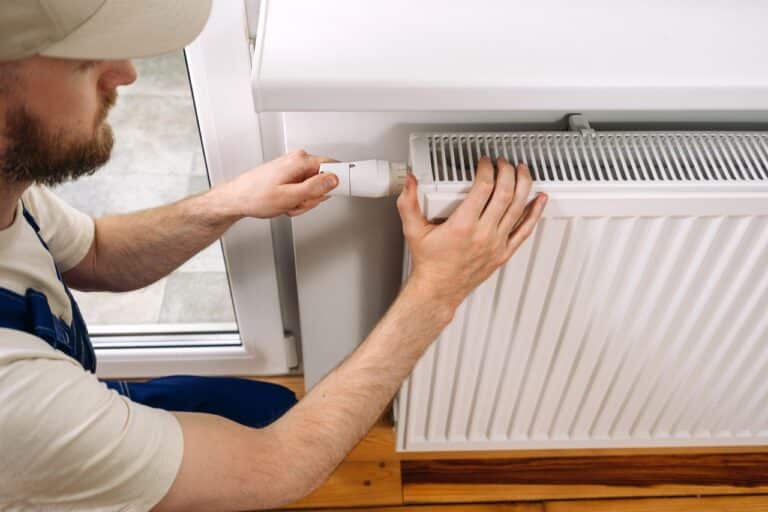
A heating repair visit usually includes a full inspection of the furnace, boiler, or heat pump. Technicians check components like the ignition system, electrical connections, sensors, blower motor, pressure switches, thermostat communication, and duct airflow. The goal is to locate the root cause rather than just treat the symptom. Helpful resources from the U.S. Department of Energy, such as their Energy Saver heating guidance, can help homeowners understand system basics.
Most Common Issues Found During Heating Repair in Colorado
Thermostat Communication Problems
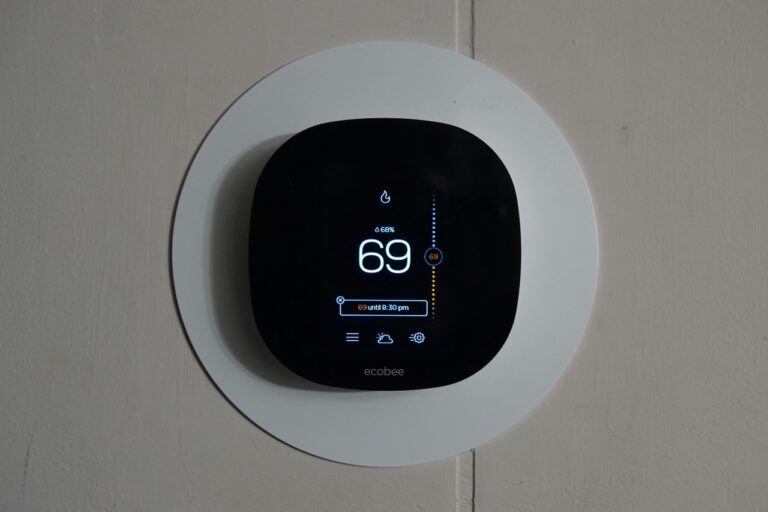
Thermostats act as the brain of the heating system. When communication breaks down, the system may not turn on, may cycle too frequently, or may heat unevenly. Many heating repair calls end up tracing back to thermostat misalignment, low batteries, wiring issues, or outdated units.
Ignition and Pilot Problems
Ignition issues stop heat production entirely. In colder months, furnaces may struggle more with ignition due to worn ignition components or dirty burners. This is especially common in older systems operating through long Colorado winters.
Airflow Restrictions and Dirty Filters
Airflow problems are among the most frequent heating repair triggers nationwide. A clogged filter forces the system to overheat and shut down repeatedly. Regular maintenance and filter changes reduce strain and energy waste. Blue Valley’s heating maintenance services help prevent these issues.
When to Call for Professional Heating Repair
If Your Heater Won’t Turn On
A heater that refuses to start is an immediate sign that you need professional heating repair in Colorado. The heating repair page makes it easy to schedule service quickly.
If You Smell Burning or Notice Strange Odors
Electrical smells, burning odors, and gas-like scents should never be ignored. These issues require immediate inspection to prevent safety hazards.
If Your System Runs Constantly Without Heating Properly
Continuous operation combined with low indoor temperatures usually indicates a mechanical failure, airflow blockage, or thermostat malfunction. A technician can diagnose the issue before damage spreads.
How Preventive Maintenance Reduces Heating Repairs
Annual Tune-Ups Make a Big Difference
Annual inspections catch problems early, increase energy efficiency, and reduce the chance of mid‑winter failures. Blue Valley offers complete support through their heating maintenance services.
Furnace Cleaning Helps Improve Efficiency
Dust, soot, and debris inside a furnace restrict airflow and reduce heating performance. Professional furnace cleaning ensures cleaner operation and lower energy use.
Heat Pumps and Boilers Need Regular Attention
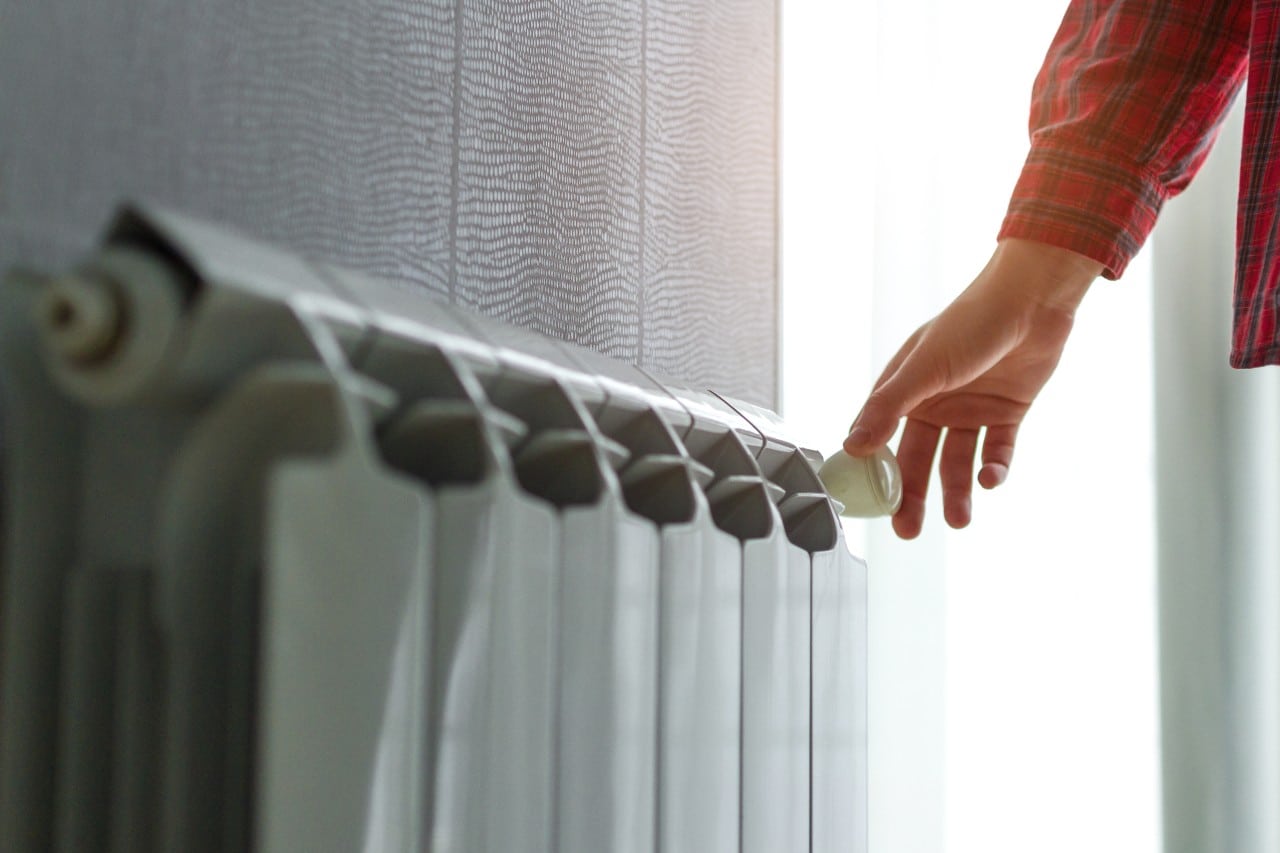
Boilers and heat pumps are heavily used in Colorado and require thorough servicing to handle local climate demands. Resources like the DOE’s home heating systems guide offer additional clarity on system care.
FAQ: Heating Repair in Colorado
What causes heating systems to stop working?
Many systems fail because of airflow blockages, ignition trouble, thermostat errors, or worn-out components. Colorado’s long winters increase the strain on heating equipment, making these issues more common.
How do I know if I need heating repair or replacement?
If your heating system is older than 15 years, breaks down frequently, or struggles to reach temperature, it may be time to compare repair costs with replacement. Many systems can still be repaired affordably, but a professional inspection gives you clarity.
How often should heating systems be serviced?
Systems should be serviced once a year. Colorado homeowners rely on heat for extended periods, making preventive maintenance essential for safety and efficiency.
Keynotes
- Annual maintenance can extend heating system life by up to 30%.
- Nearly 40% of heating repair calls come from clogged or unchanged air filters.
- Colorado heating systems run significantly more hours per year than the national average, creating higher wear rates.