
Heat Pump Iced Up and Not Heating: Tips for Post-Storm Mornings
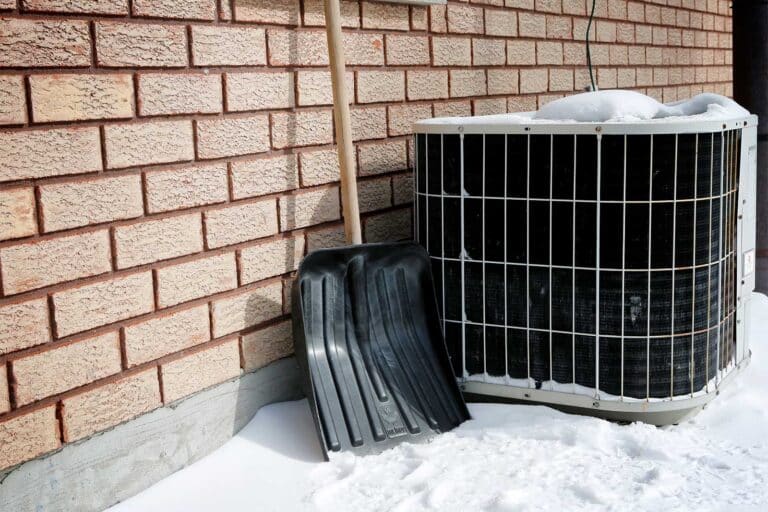
If you’ve walked outside and seen a heat pump iced up, you’re not alone. A thin layer of frost is expected in winter. A thick shell of ice is not. And the difference matters, because an iced-over outdoor coil can’t move heat well. Your system runs longer, indoor air feels lukewarm, and your energy bill climbs.
Denver can hand you a mild afternoon and a snow chance the very next evening. That swing is great for a quick patio lunch, but it’s rough on HVAC equipment sitting outside in the wind. When temperatures bounce above and below freezing, moisture collects on the outdoor coil, freezes, partly melts, then freezes again. That’s how a normal “frost cycle” turns into a bigger problem.
This guide is built for Colorado mornings after a front moves through: the wind is up, the sidewalks are slick, and your house feels colder than it should. We’ll cover what’s normal, what’s not, how defrost mode works, what you can safely check yourself, and when it’s time to call in a pro.
Why Denver’s “warm-then-snow” pattern ices up outdoor coils
A lot of homeowners assume ice means “something broke.” Sometimes that’s true. But in Denver, ice often starts with the weather itself.
A classic setup is a mild day that adds moisture to the air and dampens the coil, followed by a drop into the 20s or 30s overnight. Forecasters described that exact kind of swing in early February 2026—mild daytime temps and a light rain/snow chance the next night—which is the kind of pattern that commonly triggers frost and ice on HVAC outdoor units. See the weather rundown in this local report: Mild Denver Monday Sets Up Sneaky Shot Of Snow Tuesday Night.
When a heat pump runs in heating mode, the outdoor coil is “cold” relative to the outdoor air. That coil naturally becomes a magnet for moisture. If the coil temperature is below freezing, that moisture becomes frost. If you add wind, drifting snow, gutter runoff, or poor airflow around the unit, the frost can build faster than defrost mode can clear it.
That’s when a heat pump iced up situation starts affecting comfort indoors.
Frost vs. ice: what’s normal and what isn’t
A heat pump in heating mode will usually show some frost on the outdoor coil during cold weather. That’s normal.
What’s not normal is:
- Solid ice covering the coil fins like a frozen block
- Ice forming on the fan blades or inside the top grille
- Water freezing into a thick ring at the base that starts to climb the cabinet
- The unit running nonstop with little or no warm air inside
If you see a heat pump iced up with heavy, layered ice, treat it as a warning sign. Your system may still heat the home, but it’s doing it inefficiently and under strain.
The quick explanation of defrost mode
Defrost mode is the system’s built-in way to melt frost off the outdoor coil.
Here’s the simplest way to think about it:
- Sensors or timers detect frost/coil conditions.
- The system temporarily switches into cooling mode.
- Hot refrigerant flows through the outdoor coil to melt frost.
- The outdoor fan often stops to speed melting.
- The system returns to heating mode.
During defrost, you might notice:
- A brief change in the sound outside
- Steam rising off the outdoor unit (that’s usually normal)
- Indoor air that feels cooler for a few minutes
If defrost works, you won’t stay stuck with a heat pump iced up for long.
If defrost fails, ice keeps building and performance drops.
Why your heat pump can ice up even when it’s “working”
A heat pump can run and still ice over. The unit isn’t “dead,” but it’s not clearing frost fast enough.
Common reasons include:
1) Airflow problems around the outdoor unit
Heat pumps need a clear path to pull air through the outdoor coil. If a fence, shrub, snow drift, or stored items are too close, airflow drops. Lower airflow means colder coil surface temps, which means more frost.
If your heat pump iced up after a storm, check for:
- Snow packed against the coil
- Leaves or tumbleweeds stuck on the coil fins
- A patio cover dripping meltwater onto the unit
2) Gutter runoff dripping onto the unit
Colorado freeze/thaw cycles can turn a small gutter drip into a constant ice-maker. Water hits the unit, freezes, melts a little, then refreezes.
This is one of the most overlooked reasons a heat pump iced up gets worse day after day.
3) Dirty coil or matted debris
Outdoor coils collect dust and cottonwood. In winter, that grime can trap moisture and speed frosting.
4) Defrost control issues
Defrost problems can be electrical (sensor, board, wiring) or mechanical (reversing valve, fan motor). If the system can’t reverse properly or can’t detect coil conditions accurately, it won’t clear frost when it should.
That’s how a heat pump iced up becomes a recurring issue.
5) Refrigerant or metering issues
Low refrigerant, restriction, or a failing metering device can change coil temperatures and create abnormal frosting patterns. This is not a DIY fix.
The “post-storm morning” checklist you can do safely
Before you grab tools, start with safe, simple checks.
Step 1: Confirm it’s actually a heat pump system
Some homes have a standard AC condenser outside and a furnace inside. Others have a heat pump with backup heat. If you’re not sure what you have, the outdoor unit nameplate and thermostat settings can help.
If you do have a heat pump and you’re seeing a heat pump iced up, keep going.
Step 2: Look for the obvious airflow blockers
Walk around the unit.
- Clear snow away from all sides (give it breathing room)
- Remove leaves or debris on the coil surface
- Make sure the top discharge isn’t blocked
If the outdoor unit is buried or choked off, defrost mode won’t have much of a chance.
Step 3: Check your air filter inside
A clogged filter can reduce airflow across the indoor coil and stress the whole system. It won’t always cause outdoor icing directly, but it can contribute to longer run times and weird behavior.
Step 4: Listen for a defrost cycle
If it’s cold and humid outside, most heat pumps should enter defrost occasionally. If you never hear a change in operation and the unit stays frosted for hours, that’s a clue.
Step 5: Switch to “Emergency Heat” only if you truly need it
If your home is getting cold fast and you suspect a defrost failure, emergency heat can keep you warm. But it can also raise energy use.
If you’re stuck with a heat pump iced up and the house won’t hold temperature, emergency heat is a temporary bandage—not the solution.
What you should NOT do when your Heat Pump Iced Up
This is where homeowners accidentally turn a small issue into a bigger repair.
- Don’t chip ice off the coil with a screwdriver or hammer
- Don’t pour boiling water on the unit
- Don’t spray the coil with chemicals
- Don’t cover the unit with a tarp while it’s running
If a heat pump iced up is severe, the safest move is usually to shut it off and call for service.
How long should defrost take?
Most defrost cycles run for a few minutes, not an hour. They may happen every 30–90 minutes depending on outdoor conditions.
If your system seems to defrost constantly, or if it never defrosts and stays frozen, either scenario can point to a control or sensor problem.
If you keep finding a heat pump iced up in the same heavy way after every weather swing, it’s time for professional diagnostics.
The “ice pattern” clues technicians look for
Even without gauges, experienced techs learn to read frost patterns:
- Even frost across the coil can be normal in cold, humid weather
- Ice only in one section can suggest refrigerant restriction or charge issues
- Ice around the base and cabinet can point to drainage issues or runoff
- Ice on the fan or inside the top grille can indicate airflow problems or fan issues
A persistent heat pump iced up problem is usually fixable, but it’s important to identify the real cause.
Why cold-climate heat pumps help in Colorado
Not all heat pumps behave the same when temps drop. Modern cold-climate models are designed to run efficiently in lower temperatures and manage frost better, using variable-speed compressors and improved controls. If you’re curious about what makes them different, read Blue Valley’s breakdown on cold-climate heat pump technology.
Even the best equipment, though, can still end up as a heat pump iced up if airflow is blocked, the unit is installed in a bad spot, or controls aren’t functioning correctly.
Where defrost mode goes wrong (common failure points)
If defrost isn’t doing its job, one of these issues is often involved:
Defrost sensor or thermistor problems
If the sensor reads wrong, the board may never initiate defrost, or it may initiate too late.
Defrost board or control failures
Boards can fail intermittently, which is why icing sometimes appears “random.”
Outdoor fan motor problems
A failing fan motor can reduce airflow and speed frosting. In defrost mode, the fan may also need to stop and start correctly.
Reversing valve issues
The reversing valve is what flips the system between heating and cooling. If it sticks, defrost can fail.
If any of these are happening, you’ll keep seeing a heat pump iced up no matter how many times you clear snow away.
Heat Pump Iced Up and not heating: when it’s an emergency
Not every icing event is an emergency. But these are the red flags:
- Indoor temps keep dropping even though the system runs
- The outdoor unit is a solid ice block
- You hear grinding, loud buzzing, or the fan can’t spin
- You smell electrical burning or see tripped breakers
If your heat pump iced up and your home won’t heat, shut the system off and schedule service.
How Blue Valley approaches Heat Pump Iced Up
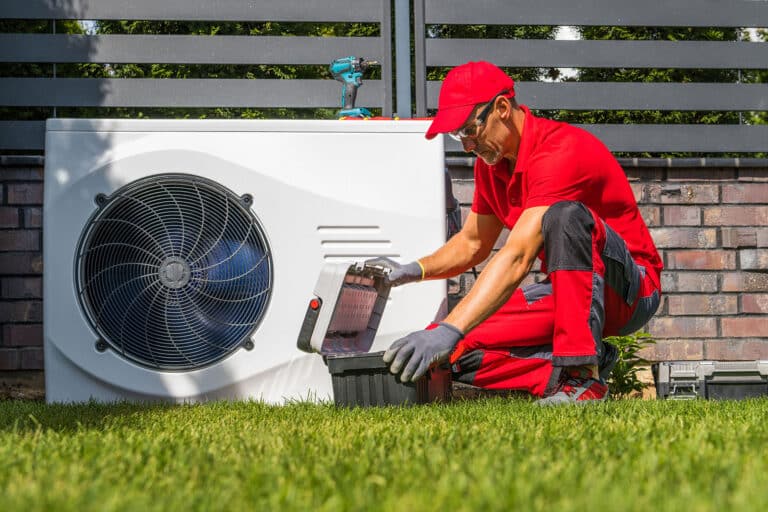
A proper diagnosis is more than “melting the ice.” The goal is to stop it from coming back.
A typical visit includes:
- Confirming airflow and clearances
- Checking defrost initiation and termination behavior
- Verifying sensors, wiring, and control logic
- Inspecting fan motor operation and amperage
- Checking refrigerant pressures and temperature splits when appropriate
- Looking for drainage, runoff, or installation issues
If you want a plain-language overview of what a heating repair visit should include, Blue Valley explains it in this guide on what to expect during a heating repair appointment.
When the outdoor unit is heavily frozen over, fixing the symptom without fixing the cause just guarantees the same callback after the next Front Range swing.
Preventing Heat Pump Iced Up before the next storm
If Denver forecasts another quick flip, a little prep can help.
Keep the unit clear year-round
Don’t store patio furniture, boxes, or trash bins near the unit. Make sure landscaping doesn’t grow into the coil area.
Manage runoff
If gutters drip near the unit, reroute the water. If snow slides off a roof section onto the unit, consider a snow diverter.
Schedule seasonal maintenance
Maintenance isn’t just for summer AC. Winter checks help defrost systems, sensors, and airflow stay reliable.
Consider equipment upgrades if your system struggles every winter
If your home depends heavily on heat pump heating and you’re constantly dealing with a heat pump iced up scenario, it may be time to evaluate whether your system is sized correctly and whether a cold-climate model makes sense.
For service options, you can review Blue Valley’s heat pump services to see the types of inspections and repairs that are typically involved.
If you already have heavy ice: a safe “stop and call” decision
Here’s a practical rule:
- Light frost: usually normal, monitor it
- Thicker frost that clears after a defrost cycle: normal-ish, keep an eye on it
- Heavy ice that doesn’t clear: stop the system and get service
If you’re on the heavy-ice side of that line, a heat pump iced up is no longer a “wait and see” situation.
A quick note for homes with backup heat or dual-fuel systems
Some Colorado homes have a furnace paired with a heat pump. Others use electric backup heat strips.
If your system is dual-fuel and the heat pump is struggling, the furnace may take over depending on your thermostat setup. If you suspect a broader heating issue beyond the outdoor unit, Blue Valley also offers dedicated help for furnace repair services.
That said, even in dual-fuel setups, a heat pump iced up can still waste energy and create comfort issues before the backup heat fully kicks in.
When you want a deeper how-to (and when you shouldn’t DIY)
If you want a deeper walk-through of icing causes and safe homeowner steps, Blue Valley has a detailed post on how to fix a heat pump that’s iced up in winter.
Use that kind of guidance for the safe checks: clearing airflow, removing debris, and recognizing when it’s time to stop.
But when a heat pump iced up keeps repeating, the real solution is almost always in the controls, the airflow design, or the refrigerant circuit—things that require tools and training.
FAQs about Heat Pump Iced Up
Why is my Heat Pump Iced Up after a snow or rain/snow mix?
When moisture is high and temps drop below freezing, frost forms fast on the outdoor coil. If the system can’t defrost effectively—because of airflow blockage, runoff, or control issues—frost turns into thicker ice.
Is it normal to see steam during defrost mode?
Often, yes. When defrost melts frost quickly, the warm coil can create visible steam. If the unit is making loud mechanical noises or the ice never clears, that’s not normal.
How long can a Heat Pump Iced Up run?
A heat pump can sometimes keep running while iced, but it becomes less efficient and can strain components. If you have heavy ice that won’t clear, shutting the system off is the safer choice.
Should I pour hot water on the outdoor unit to melt ice?
No. Rapid temperature changes can damage coil fins and create refreeze problems. It can also be a safety hazard. If you have a severe icing event, shut the system off and schedule service.
What’s the quickest way to stop my heat pump iced up problem from coming back?
Start with airflow and drainage: keep snow and debris away, manage gutter runoff, and make sure the unit has proper clearance. If the issue repeats, have a technician check defrost controls, sensors, and refrigerant performance.
Can a dirty filter inside cause outdoor icing?
A dirty filter mainly affects indoor airflow, but reduced airflow can contribute to longer run times and poor system behavior. It’s an easy first check and worth keeping on schedule.
If my heat pump is iced-up, does that mean I need a replacement?
Not automatically. Many icing problems are caused by correctable issues like airflow restrictions, defrost controls, or runoff. If your system is older or consistently struggles in low temps, then an upgrade to a cold-climate heat pump might be worth evaluating.
My heat pump is iced-up, but the house is still warm—should I do anything?
Yes. If it’s light frost, it may clear on its own. If it’s a thick layer of ice, clear snow away from the unit, monitor for a defrost cycle, and watch for performance changes. If it doesn’t clear, schedule service before it becomes a no-heat call.